Why Stopping Mid-Chapter Makes You More Likely to Read Tomorrow

Watch on YouTube: Why Stopping Mid-Chapter Makes You More Likely to Read Tomorrow
If you keep promising yourself you will read tomorrow and then somehow never do, the issue may not be discipline. It may be the exact moment you chose to stop today.
Most people end a reading session only when they hit a clean chapter break, run out of energy, or feel they have done enough. That feels tidy. But tidy endings can make tomorrow harder, because they remove the forward pull that helps the brain re-enter a book.
Why the Brain Returns Faster to Unfinished Things
Psychologists have long observed that unfinished tasks stay more mentally active than completed ones. Once something is neatly wrapped up, the brain can file it away. Leave a scene slightly open, though, and part of your attention keeps a bookmark there.
That bookmark matters for reading habits. The hardest part is often not reading itself. It is re-entry. You sit down tomorrow and need to remember the tone, the situation, the characters, and why you cared. If yesterday ended at a point of active curiosity, the doorway back in is shorter.

Why “I Read Until I Was Exhausted” Can Backfire
Stopping only when you are tired teaches the nervous system an unfortunate lesson: reading is the thing that happens right before depletion. It gives tomorrow's session a heavier emotional starting point. Finishing the chapter may feel virtuous, but it can also flatten the desire to come back.
Writers understand this intuitively. Cliffhangers work because unresolved motion keeps attention alive. Readers can borrow the same mechanism for habit design. You do not need to stop at the most dramatic sentence every time. You just need to leave a little energy in the page.
How to Use This Without Turning It Into Another Rule
Try ending a session one paragraph earlier than feels natural, especially when you are still interested. Leave the bookmark where the next sentence already has some momentum. Tomorrow, you are not returning to a closed door. You are returning to something already in motion.
This works even better when the environment stays consistent. The same chair, the same lamp, and the same low-demand sound can make the unfinished thread easier to pick back up. Instead of spending energy rebuilding the whole reading state, you get a smaller first step back into it.
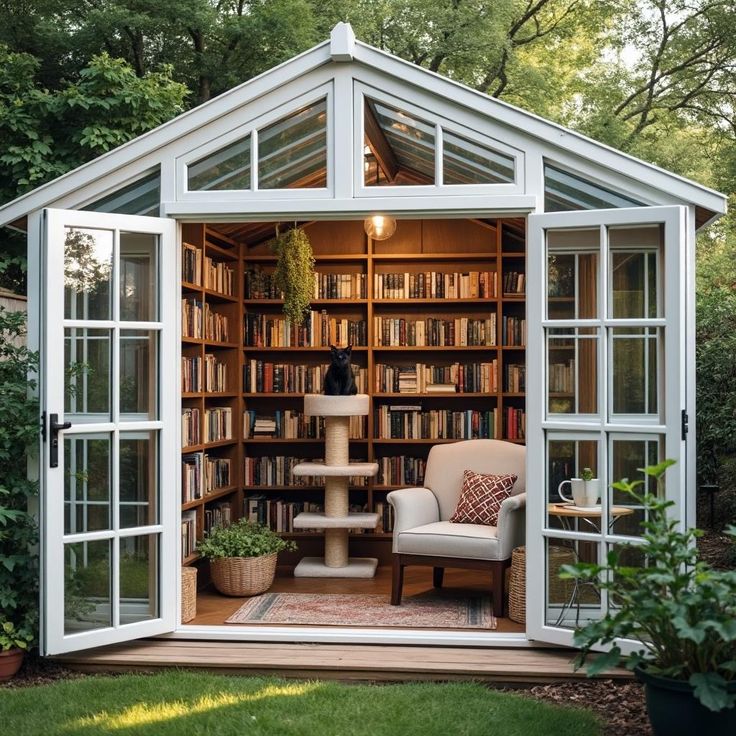
So if you want tomorrow's reading habit to feel easier, do not always stop at the neat ending. Stop while a little curiosity is still alive.
Watch on YouTube: Why Stopping Mid-Chapter Makes You More Likely to Read Tomorrow
Make tomorrow's first page easier to reopen
Moodbeez helps turn your reading corner into a repeatable sensory cue, so getting back into the story costs less each time.
Explore Moodbeez