
How to Take a Real 10-Minute Break Without Feeling Guilty
A source-led guide to taking a useful ten-minute break when rest feels undeserved: close the loop, choose low-input recovery, and keep sound optional.
How to Take a Real 10-Minute Break Without Feeling Guilty
A source-led guide to taking a useful ten-minute break when rest feels undeserved: close the loop, choose low-input recovery, and keep sound optional.

How to Stop Thinking About Tomorrow at Night
A source-led guide for when tomorrow's tasks keep looping at bedtime: externalize the list, choose one next step, lower stimulation, and keep MoodBeez optional.

Baby Crying During a Feed? Check the Need Before Adding Sound
If your baby cries during or after a feed, pause before adding sound. Use a short cause-first check for hunger, fullness, air, positioning, reflux signs, and urgent symptoms.

How to Ask for a Sensory-Friendly Meeting Without Explaining Everything
A practical, non-diagnostic guide to asking for a quieter, more predictable meeting when sensory input is making participation harder, without sharing more personal detail than you want to.

Why Do My Eyes Skip Lines While Reading?
If lines seem to jump or your place disappears while reading, try practical changes for text size, lighting, breaks, and knowing when to arrange an eye check.

When Can You Turn Sound Back Up After a Migraine?
A cautious guide to returning to sound after migraine sensitivity: wait for symptoms to ease, start low, keep safety cues audible, and know when to seek care.

Should You Leave Tinnitus Background Sound On All Night?
A cautious guide to trying optional bedtime background sound for tinnitus, including timer choices, low-volume limits, and signs that need medical care.

How to Plan a Low-Energy Day Without Forcing Yourself Through It
A low-energy day does not need a heroic productivity plan. Use a simple triage, smaller tasks, ordinary recovery, and clear safety boundaries to decide what can wait.
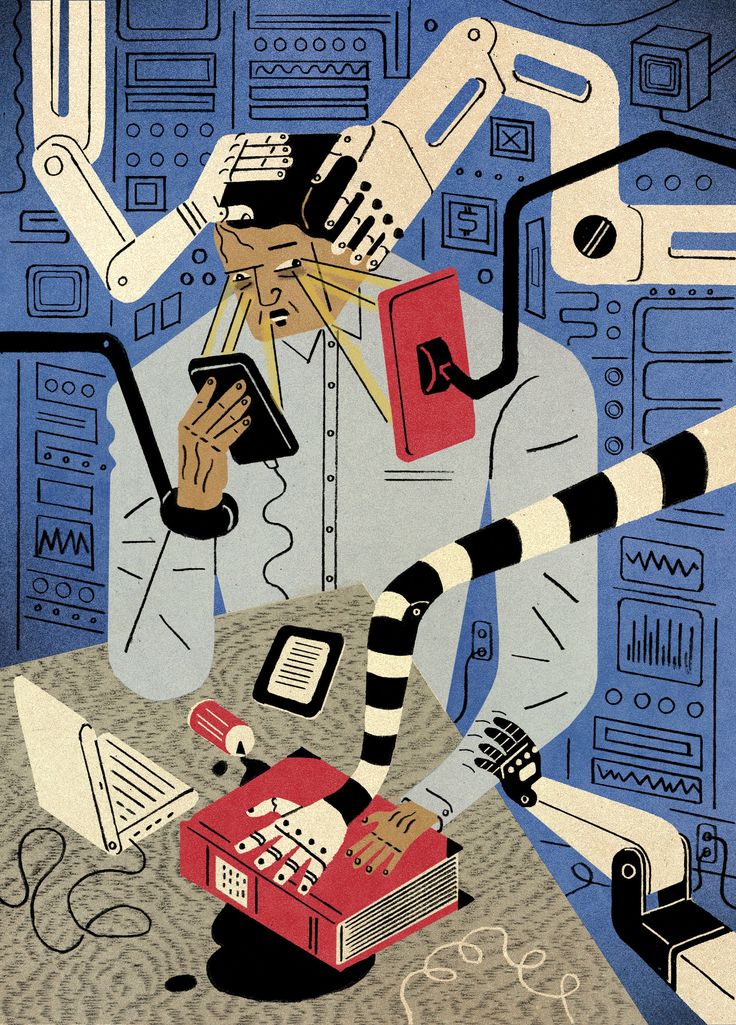
How to Refocus After a Meeting Runs Over: A Five-Minute Reset
When a meeting runs over, the next task can feel impossible to start. Use a short reset to close the meeting loop, choose one next action, and protect a realistic focus block.

How to Meditate After a Difficult Conversation When Your Mind Keeps Replaying It
After a difficult conversation, meditation can feel like a replay machine. Learn a short, interruptible practice that starts with orientation, uses a flexible anchor, and respects your limits.

How to Relax After Work When Your Body Still Feels Alert
Still feel on alert after work? Try a small, reversible transition that lowers one demand at a time, keeps sound optional, and leaves room for professional support.
How to Sleep Better in a Hot Bedroom: Cool the Room Before You Add Sound
A practical, non-clinical guide to sleeping in a hot bedroom: cool the space safely, adjust bedding and light, then decide whether a steady background sound is useful.

When Evening Fussiness Peaks: A Small, Safe Reset
A cautious, low-stimulation routine for an unsettled baby in the evening, with safe-sleep boundaries and clear signs to seek medical help.

A Sensory Reset Before a Video Call
A cautious, practical sensory reset before a video call: reduce one demand, choose a small next step, and keep sound optional.

How to Keep Reading After a Difficult Chapter
A gentle, practical way to pause and return when a chapter leaves you emotionally or mentally overloaded.

When a Migraine Starts at Work: Plan a Low-Stimulation Break
A practical, cautious guide to planning a low-stimulation migraine break at work, protecting safety, and deciding when to seek care.
When a Quiet Room Makes Tinnitus Harder to Ignore
A cautious guide to making a quiet room less attention-grabbing when you notice tinnitus, with sound-safety limits and an optional MoodBeez setup.
Too Tired for Chores After Work? Start With One Essential Task
A low-pressure way to plan chores after work: choose one essential task, define enough, share the load, and know when tiredness calls for rest or support.

How to Refocus After a Notification Interrupts Your Work
A practical, low-pressure routine for returning to one task after a notification: protect the next action, reduce repeated switching, and use sound only if it helps.

Open-Eye Meditation When Closing Your Eyes Feels Uncomfortable
A practical guide to eyes-open meditation: choose a gentle gaze, keep breathing natural, adapt the setting, and stop when practice feels uncomfortable.
How to End Your Workday with Unfinished Tasks
A practical end-of-workday routine for unfinished tasks: write a restart note, clarify handovers, set a return point, and choose quiet or familiar sound.
How to Plan Your Arrival Day After a Long Flight
A practical arrival-day plan after a long flight: safe transport, essential tasks, flexible commitments, sleep limits, and optional familiar background music.

How to Return to Reading After Checking Your Phone
A practical, low-pressure routine for returning to a book after a phone interruption, with an optional consistent background-sound setup.

How to Start Meditation After a Noisy Commute
A small, safety-aware routine for beginning a meditation practice after a noisy commute, with an optional sound anchor to compare with quiet.
How to Use a Lyric-Free Sound Cue for Writing
A practical, evidence-aware way to compare lyric-free sound, silence, and your writing task without promising better focus.

How to Check Background Music Before a Tinnitus Routine
A documented, cautious file check before using background music in a tinnitus routine: what metadata identifies, what it cannot establish, and when to seek care.

How to Check a “Loopable” Sleep Track Before Bed
A transparent inspection of an existing loopable-labeled MP3: what metadata can show, what it cannot show, and how to listen cautiously before bed.

How to Wind Down After a Loud Social Event
How to wind down after a loud social event: a source-led, low-demand transition plan with a documented, optional audio build and hearing-safety limits.
Does Caffeine Make Tinnitus Louder?
Does caffeine make tinnitus louder? A cautious, source-led way to observe a possible pattern, protect hearing, and know when sound is not the answer.

How to Fall Back Asleep After a Late-Night Notification
How to fall back asleep after a late-night notification: a practical, source-led reset with a documented low-detail audio build and clear sleep-care limits.
Should I Wear Headphones During a Migraine?
Whether to wear headphones during a migraine depends less on finding the “right” sound than on whether the headphones make your own sensory load smaller or larger right now. For some people, a quiet, nonverbal layer can make an unpredictable environment feel less intrusive. For others, even gentle sound, pressure on the ears, or the act of managing an app is one more irritant. The safest useful answer is permission to choose quiet, change course quickly, and keep important cues available.

How to Resume Reading After a Notification Interrupts You
How to resume reading after a notification interrupts you: a source-led reset plan, a documented low-detail audio sample, and safe listening limits.
How to Take a Sensory Break After a Crowded Commute
How to take a sensory break after a crowded commute: a cautious, source-led plan for adults, a documented audio test, and safe listening limits.

How to Take a Restorative Work Break When Your Brain Feels Noisy
How to take a restorative work break: what short-break evidence supports, a documented low-detail audio test, and sensible limits for a mentally noisy day.
Baby White Noise on a Plane: What to Prioritize Before You Press Play
Baby white noise on a plane is optional. This evidence-led guide puts flight restraint, feeding, hearing limits, and a simple offline sound plan in the right order.

Focus in a Coffee Shop Without Loud Headphones
How to focus in a coffee shop without loud headphones: a practical, source-led trial for managing noise while protecting listening comfort.
Can You Meditate Lying Down Without Falling Asleep?
Can you meditate lying down without falling asleep? A source-led, non-clinical guide to choosing posture, noticing sleepiness, and testing a low-detail sound setup.

Why Does Relaxing Feel Uncomfortable After Stress?
Why does relaxing feel uncomfortable after stress? A source-led, non-diagnostic guide to a smaller, safer relaxation experiment and a documented MoodBeez audio test.

Should You Sleep in Headphones When Tinnitus Is Loud?
Should you sleep in headphones when tinnitus is loud? A cautious guide to room sound, hearing exposure, warning signs, and a documented MoodBeez listening artifact.
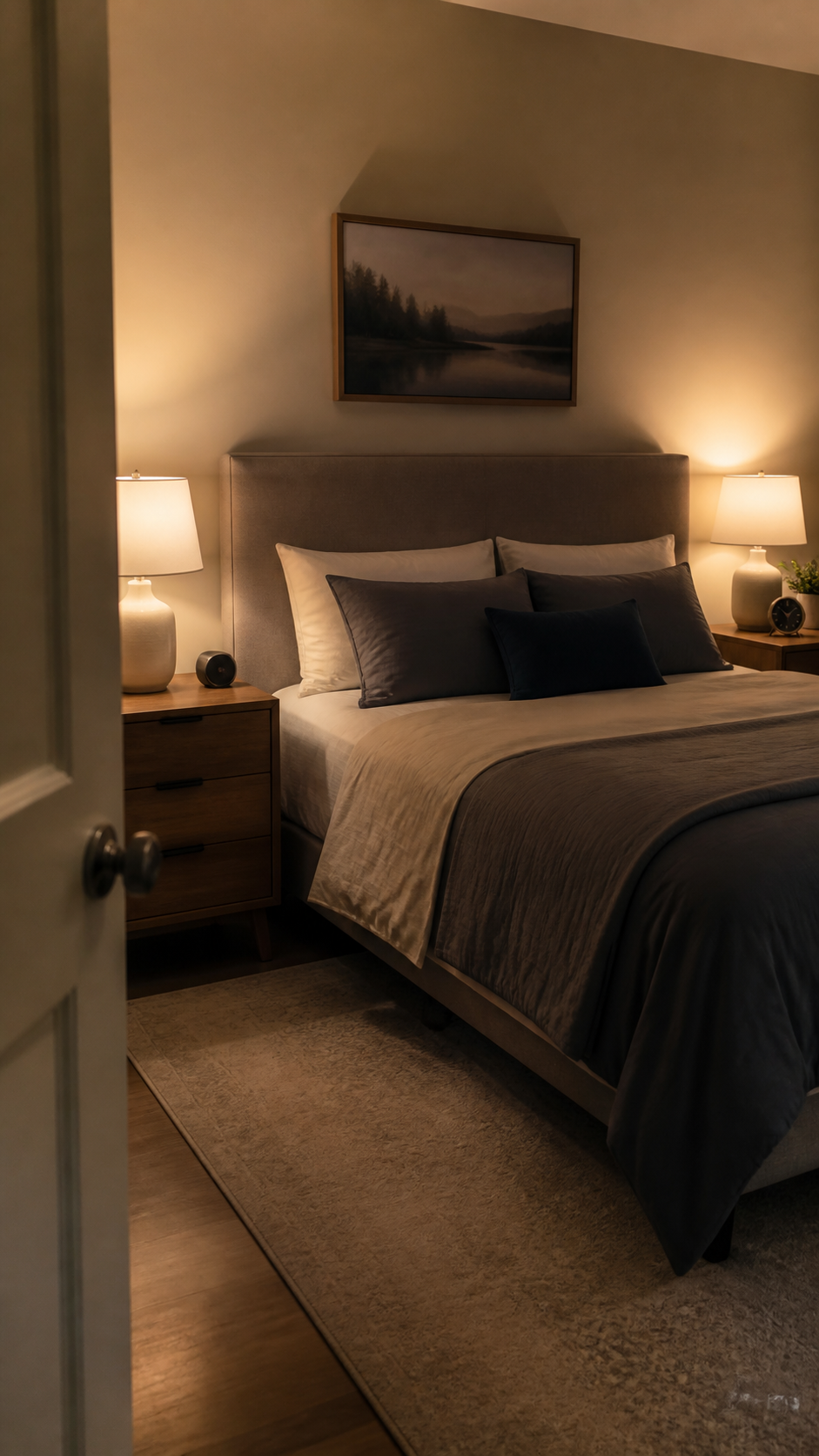
Should You Leave White Noise On All Night?
Should you leave white noise on all night? A careful adult guide to masking, sleep evidence, safe listening, and a reversible way to decide.

Can White Noise Make a Migraine Worse? A Safer Way to Decide
Can white noise make a migraine worse? It can feel worse for a person whose migraine includes sound sensitivity. White noise is still sound: it adds continuous energy to the room and may be irritating, painful, or simply unwelcome during an attack. It is not an established migraine treatment, so nobody needs to tolerate it in order to “do recovery correctly.”

Sound or Silence for Progressive Muscle Relaxation?
Sound or silence for progressive muscle relaxation depends on whether it helps you notice release without becoming another task. Learn a cautious trial, safe-listening limits, and one documented MoodBeez sample.
Background Sound for Writing: How to Test Whether It Helps
Background sound for writing can help one person settle and distract another. Use a small, source-led trial, safe-listening limits, and a documented MoodBeez audio artifact.

Pink Noise for a Snoring Partner: A Safer Trial
Pink noise may make a snoring partner less disruptive for some listeners, but it cannot treat sleep apnea. Hear a documented low-volume sample and learn the safety limits.

Where to Put a Sound Machine for Tinnitus at Night
Where should a sound machine go for tinnitus at night? A cautious bedside placement guide, a documented 30-second sample, and clear hearing and medical boundaries.
Sound Sensitivity After a Migraine: A Gentle Audio Re-Entry Plan
Sound sensitivity after a migraine can linger after head pain fades. Learn a low-stimulation audio re-entry plan, safety limits, and hear a documented sample.
Brown Noise for Reading Around Office Chatter: What to Try
Brown noise for reading may be worth a cautious, low-volume trial when office chatter is distracting. Hear a documented 29.8-second sample and learn its limits.
Sensory Overload After a Loud Interruption: A Reset Plan for the Next Minute
Sensory overload after a loud interruption can make the next minute hard to use. Learn a low-demand reset plan, what evidence can and cannot say about sound, and one documented MoodBeez transition-mix test.

Offline Focus Music for Flights: How to Work on a Plane Without Wi-Fi
Offline focus music for flights can remove one avoidable friction point in a loud cabin. This page explains what current noise evidence supports, documents one 30-second sample, and verifies MoodBeez's current offline workflow limits.

Baby White Noise in a Hotel Room: How to Keep the Volume Safe
Baby white noise in a hotel room may smooth the first unfamiliar minutes, but safety depends more on sleep setup, distance, and modest volume than on the app itself. This page reviews current guidance, documents one original sample, and verifies MoodBeez's current offline travel workflow.
How to Focus Again After a Chat Interruption
How to focus again after a chat interruption: what interruption research actually supports, one reproducible 30-second MoodBeez sample, and a first-hand saved-mix workflow test for faster restart without extra searching.

How to Meditate in a Noisy Apartment Without Waiting for Silence
How to meditate in a noisy apartment: what current meditation and auditory-distraction research supports, one documented 30-second MoodBeez sample, and where a saved sound floor may help without turning practice into a treatment claim.

Video Call Fatigue: How to Unwind After Your Last Meeting
Video call fatigue can leave the last meeting stuck in your body even after the laptop closes. This page explains what current evidence supports, documents one reproducible 30-second cue, and shows where a saved MoodBeez mix may help without turning recovery into a treatment claim.
First-Night Effect Sleep: Why Hotel Rooms Feel Harder Than Home
First-night effect sleep can make a hotel room feel oddly alert on night one. This article explains what current sleep research supports, documents one repeatable audio cue, and shows where an offline MoodBeez mix may help without turning travel sleep into a treatment claim.

White Noise for Tinnitus: Why Louder Is Not Better
White noise for tinnitus can sometimes make a hard moment feel steadier, but louder is not automatically better. This article explains what current guidance supports, documents one low-level sample, and shows where a controllable MoodBeez mix may fit without turning sound enrichment into a treatment claim.

Background Music for Reading Comprehension: Does It Help or Hurt?
Background music for reading comprehension works differently depending on lyrics, familiarity, and volume. This page documents one lyric-free 30-second reading cue with exact method notes, limits, and source-backed context.

Light Sensitivity After a Migraine: Why the Room Still Feels Too Bright
Light sensitivity after a migraine can continue into postdrome even when head pain drops. This page documents one 30-second low-light cue, explains what current sources support, and shows where a saved MoodBeez mix may fit without making a treatment claim.
A Plain 30-Second Crib-Side Cue After You Step Away
A documented baby-soothing sample for the first quiet 30 seconds after a caregiver steps away from the crib: one local MoodBeez track, one very low brown-noise layer, exact gain settings, and clear safe-sleep boundaries.
ADHD After Taking Off Noise-Cancelling Headphones: A 30-Second Re-Entry Cue
A documented ADHD after taking off noise-cancelling headphones sample: one local MoodBeez track, one very low brown-noise layer, exact gain settings, current source context, and clear listening limits.
A 30-Second Restart Cue After a Short Hallway Walk
A documented 30-second energy sample for the half-minute after a quick hallway walk: one local MoodBeez energy track, one very low pink-noise layer, exact gain settings, and clear listening boundaries.

A 30-Second Low-Light Cue After the Overhead Light Goes Off
A documented 30-second relax cue for the first low-light minute: one local MoodBeez relax track, one low natural-noise layer, exact gain settings, and clear listening boundaries.

A 30-Second Return Cue After a Desk-Side Question Ends
A documented 30-second focus cue for the moment after a short desk-side interruption: one local MoodBeez focus track, one low brown-noise layer, exact gain settings, and clear listening boundaries.

A 30-Second Cue Before You Peek at the Meditation Timer
A documented 30-second meditation cue for the half-minute when you want to check how much time is left: one local meditation track, one very low pink-noise layer, exact gain settings, and clear listening boundaries.

A 30-Second Back-to-Sleep Cue Before You Check the Clock
A documented 30-second sleep cue for the minute after a night waking: one local sleep bed, one local pink-noise rain layer, exact gain settings, and clear back-to-sleep boundaries.
A 30-Second Room-Sound Cue Before You Rate the Ringing
A documented 30-second tinnitus-aware cue for the first quiet minute: one local MoodBeez track, one very low pink-noise layer, exact gain settings, and clear medical boundaries.
A 30-Second Start Cue Before You Open Your Inbox
A documented 30-second energy sample for the minute before email or chat takes over: one local MoodBeez energy track, one low brown-noise layer, exact gain settings, and clear listening boundaries.

A Plain 30-Second Room Reset After Visitors Leave
A documented 30-second baby-soothing sample for the quieter room reset after guests leave: one local MoodBeez track, one very low pink-noise layer, exact gain settings, and clear safe-sleep boundaries.

A 30-Second Sound Cue for the Moment You Start a Meditation Timer
A documented 30-second meditation sample for the abrupt moment after pressing start: one local meditation track, one local natural-noise layer, exact gain settings, and clear listening boundaries.

A Saved Sound Cue for the First Quiet Minutes After a Migraine
A documented 30-second post-migraine sample for the first quiet minutes after pain eases: one local music bed, very low brown noise, exact gain settings, and clear listening boundaries.
A Reading Mix for the First Page After a Noisy Commute
A documented 30-second reading sample for the first page after a noisy commute: one steady instrumental bed, very low brown noise, exact gain settings, and clear listening boundaries.
A Soft Re-Entry Mix for the First 30 Seconds Back at a Shared Desk
A documented 30-second neurodivergent re-entry sample for returning to a shared desk: one local ambient track, very low pink noise, exact gain settings, and careful listening boundaries.
A Focus Mix That Starts Quietly and Stays Out of the Way
A 30-second functional music sample for work: one steady instrumental base, one low rain layer, direct MP3 playback, and practical notes on when this kind of focus mix is useful.
A Reset Mix for the Gap Between Meetings
A documented 30-second energy reset sample for the minutes between meetings: one instrumental base, one low library layer, exact gain settings, and practical notes on when to use it.

A Plain Back-to-Crib Mix After the Night Diaper Change
A documented 30-second baby-soothing sample for the quiet return after a night diaper change: one local music bed, one very low brown-noise layer, exact gain settings, and safe-sleep boundaries.

Why Tinnitus Can Feel Louder the Second a Podcast Ends
If ringing seems to jump the moment a podcast stops, the sound may not have suddenly worsened. The abrupt handoff from rich outside audio to a thinner room can make tinnitus feel much more exposed.
How to Mix Music and Ambient Sound for a Changing Room
A documented 30-second two-layer audio test shows how to combine quiet functional music and natural noise, then adjust the ambience when the room changes.
Why Every Problem Feels More Real at 3 A.M.
If your brain starts rewriting your life at 3 a.m., the issue is often state, not truth. Night waking strips away distance and makes ordinary worries feel emotionally final.

Why Choosing Dinner Feels Weirdly Hard After a Migraine
If choosing food feels impossible after a migraine, the issue may be decision bandwidth, smell tolerance, and sensory load still lagging behind the pain.
Why You Keep Rereading the Same Paragraph After Scrolling
If you keep rereading the same paragraph right after scrolling, the issue may be transition speed rather than discipline. Reading asks the brain to slow down and hold a line.

Why a Cluttered Desk Can Drain Your Energy Before Lunch
A cluttered desk is not just messy. It keeps asking your brain tiny background questions, and that visual re-orienting can drain energy before the hard work begins.

Why One Light Switch Can Cost You 30 More Minutes of Bedtime
The light you turn on for just thirty seconds can feel like a full reset to a sleepy baby. Brightness is not a tiny detail at bedtime.

ADHD Warm-Up Trap: Why One Tiny Easy Task Can Delay the Real Start for an Hour
If you always do one easy task first so you can warm up, that habit may be why the real work keeps moving away. For many ADHD brains, easy tasks feel clearer, safer, and more rewarding than blurry starts.
Why Counting Every Breath Can Make Meditation Harder
If counting breaths makes meditation feel tighter instead of calmer, the problem may be the counting turning into a scorecard. Awareness usually works better when the breath is not put on trial.

Why Falling Asleep to the TV Can Make Tinnitus Feel Worse When It Shuts Off
If tinnitus suddenly feels louder when the TV sleep timer clicks off, the ringing may not have changed. The room just lost the outside texture that was helping your brain not center the sound.

Why One More Tiny Task Can Steal the Rest of Your Evening
If you keep doing one more tiny thing before you rest, the problem may not be the chore. It may be that every extra task tells your nervous system the day is still open for business.

Why One Quick Search Can Break Your Focus Block
If one tiny fact-check keeps turning a work block into tab drift, the search itself is usually not the real problem. The expensive part is the context switch away from the live thread you were building.

Why Going to Bed Earlier After a Bad Night Can Backfire Tonight
After a bad night, going to bed much earlier feels logical. But if sleep pressure has not rebuilt yet, extra time in bed can turn fatigue into clock-watching and make the bed feel more wakeful.

Why Trying to Make Up Lost Time After a Migraine Can Trigger a Second Crash
When migraine pain loosens, many people try to win the day back by catching up fast. That rush often piles screens, decisions, and urgency onto a brain that is still landing.
ADHD Reminder Clutter: Why Leaving Everything Visible Makes Starting Harder
If you leave everything visible so you will not forget it, that strategy may be why starting feels impossible. For many ADHD brains, visible reminders do not stay parked. They stay active.

Why Perfect Silence Can Make Reading Harder
If reading feels harder in a perfectly quiet room, the issue may be vigilance rather than discipline. A gentle sound floor can help attention hold onto the page.

Why Keeping Tiny Tasks in Your Head Makes You Feel Tired All Day
A lot of low-grade fatigue comes from carrying tiny unfinished tasks in working memory all day. The work is not always hard. The background monitoring is.

Why One Quick Chore Can Restart Bedtime
The bedtime struggle often starts at the sink, not at the crib. One quick bottle wash or wipe-down can burn the narrow calm window a tired baby needed to land cleanly.
Why Organizing Your To-Do List Can Keep You Stuck
If your task list keeps getting cleaner while the real work stays untouched, planning may have quietly turned into productive avoidance.

Trying to Force Silence Is Why Meditation Feels Worse
If meditation gets more frustrating the harder you push, the problem may be force, not failure. Real practice is usually about returning, not erasing thought.

Why Earplugs Can Make Tinnitus Feel Louder in Quiet Places
If tinnitus feels sharper the moment you put in earplugs in an already quiet place, the plugs may be increasing contrast more than protecting you.

Why Scrolling After Work Still Leaves You Tired
If your version of relaxing after work is mostly scrolling, your brain may stay in low-level vigilance instead of shifting into real recovery.
Why “I Need to Sleep Now” Can Be the Thought That Keeps You Awake
If the thought 'I need to sleep now' makes you feel more awake, your brain is not broken. Bedtime deadlines turn sleep into a performance task, which keeps monitoring switched on.

Why You Read the Same Paragraph Three Times
If you keep rereading the same paragraph, the issue may be transition cost rather than comprehension. A gentler landing into reading often fixes more than self-criticism does.

Why the First "I'm Better" Minute After a Migraine Can Backfire
That first moment of relief after a migraine often triggers the worst re-entry mistake: screens, decisions, and catch-up arriving before the brain is ready.

Why Feeling Wired Is Not the Same as Having Energy
A reactive morning can feel energizing, but constant urgency often burns attention faster than it restores it. Feeling wired is not the same as having usable energy.
Why Bedtime Can Fall Apart Right After the Bath
A warm bath can calm a baby, but the transition after it often stacks temperature, texture, light, and handling changes all at once. Bedtime problems can start in that handoff, not in the bath itself.

Why One Quick Lookup Can Hijack an ADHD Work Block
If one missing detail turns into 25 lost minutes, the problem may not be discipline. For ADHD brains, a quick lookup can branch into novelty, options, and competing urgency faster than people notice.

Why Meditating Right After Scrolling Feels Impossible
If meditation collapses right after your phone, the issue may be scrolling momentum, not a bad practice. A short no-input buffer can make the whole session easier to enter.

Why One Quiet Room Can Make Tinnitus Feel Worse Than Another
If your tinnitus suddenly feels harsher in one quiet room than another, the room may be changing contrast, reflection, and attention more than your ears changed in that moment.
Why Trying to Relax All at Once Backfires
If you finally stop and somehow feel more restless, the problem may not be that you are bad at resting. The downshift may simply be too abrupt for your nervous system.
Why Starting With Email Makes Deep Work Harder
If you open email first to warm up, your hardest work often gets harder to enter. Inbox mode trains the brain to react, compare, and switch before real focus ever begins.

Why Tiny Embarrassing Moments Get So Loud at Bedtime
If tiny awkward moments suddenly replay the second you get into bed, your brain is not randomly attacking you. Quiet gives unresolved social signals room to surface, and bedtime review keeps vigilance switched on.

Why Talking Still Feels Too Hard After a Migraine
When migraine pain drops, conversation can still feel disproportionately hard. The issue is not only sound volume. It is language load, timing, attention, and social response arriving before the brain is ready.
ADHD Tab Pileup: Why 12 Open Tabs Can Make One Task Feel Impossible
If one work task becomes harder the moment your browser fills up, the problem may not be discipline. For ADHD brains, every open tab can stay slightly alive and keep competing for salience.

Why Short Chapters Make Dense Books Feel Easier
If worthy books keep feeling too heavy to start, the issue may be structural rather than intellectual. Shorter visible finish lines lower the entry cost and make reading feel reachable again.
Why a Day Full of Easy Tasks Can Leave You More Exhausted Than Deep Work
Shallow tasks feel easy, but repeated restarting, scanning, and closing loops can drain more energy than one continuous hard task.

Why One More Check Can Restart Bedtime
A sleepy baby can start monitoring again when adults keep peeking, repositioning, or testing sleep too early. Bedtime often improves when the room stops being edited.

Why Too Many Open Tabs Make One Task Feel Harder
When one simple task feels weirdly heavy, the problem may not be the task itself. Too many open tabs keep the brain in browse mode, holding exits, comparisons, and unfinished options instead of letting focus commit.

Why a Short Walk Can Make Meditation Easier
If meditation gets harder the second you sit down, the problem may be the transition, not the practice. A short slow walk can lower the entry cost before stillness begins.
Why You Can't Relax in a Room Full of Unfinished Things
The pile on the chair, the half-open laptop, the dishes in the sink. These do not just look messy. They keep offering your brain small reminders that the day is not actually over yet.
The Worst Time to Plan Tomorrow: Why Your Brain Starts a To-Do List at Bedtime
If tomorrow's to-do list appears the second the lights go out, your brain is not being random. Quiet gives unfinished tasks room to surface, and bedtime planning can keep vigilance switched on.

Why Tinnitus Feels Loudest Right After You Wake Up
If tinnitus feels worst in the first quiet minute after you wake up, that moment may be exaggerating contrast and attention more than it is proving the signal got worse overnight.

Why Stopping Mid-Chapter Makes You More Likely to Read Tomorrow
If your reading habit keeps dying overnight, the problem may be where you stop. Leaving a book slightly unfinished gives your brain an easier way back in tomorrow.

Why One "Quick Check" After a Migraine Can Wreck Recovery
If migraine pain has started to drop, one quick phone check can still push the nervous system back into overload. The problem is not just the message. It is the state change.
Why More Soothing Can Make a Tired Baby Cry Harder
When bedtime keeps escalating, the problem is often not a lack of soothing. It is too many changing cues arriving to an already tired nervous system.
ADHD Interruption Hangover: Why One Tiny Ping Can Derail an Hour
If one notification keeps knocking you out of a task, the real cost is not the ping itself. It is the neurological price of rebuilding context and re-entering the work state.

Your Morning Routine Might Be Draining You Before Breakfast
A morning can feel heavy before work begins because inboxes, calendars, and tiny choices start taxing attention before the brain has landed.

Why You Keep Re-Reading the Same Line
If you keep rereading the same sentence, the problem is often not intelligence or discipline. Your brain may still be switching modes, carrying task residue, or trying to comprehend before working memory has stabilized.

Why Closing Your Eyes Can Make Meditation Harder
If meditation gets louder the moment you close your eyes, the problem may be the entry method, not your discipline. A soft visual anchor can lower the cost of settling.

Why Tinnitus Rushes Back the Moment You Slow Down
If tinnitus seems quieter while you are busy but floods back the second you finally sit down, the sound may not be changing as much as the transition around it.
Why a Free Evening Can Feel Strangely Stressful
If a completely open evening leaves you oddly restless instead of restored, the problem may not be that you are bad at relaxing. Too much unstructured recovery can become one more thing the brain feels responsible for managing.
The Missed Sleep Window: Why One More Scroll Wakes You Back Up
If you ignore the first real wave of sleepiness and keep scrolling, your brain can flip from drowsy to alert again. The problem is often missed timing, not a lack of exhaustion.
The 30-Minute Trap After a Migraine: Why Acting Normal Too Soon Backfires
When the migraine pain drops, many people rush back to screens, errands, and decisions too fast. That first recovery window is often where the nervous system gets overloaded again.
ADHD Urgency Mode: Why Your Brain Only Turns On at the Last Minute
If your brain only seems to wake up when the deadline becomes painful, that is a known ADHD pattern: distant importance stays foggy, but immediacy suddenly becomes usable fuel.

Why One Reading Chair Works Better Than More Reading Goals
If your reading habit keeps dying before page one, the problem may not be motivation. One repeatable reading spot can reduce startup friction more effectively than another goal.

Why You Feel Tired Before the Real Work Starts
A lot of low energy is really decision fatigue in disguise. By the time deep work begins, the brain may already be worn down from dozens of tiny choices.

Why Your Baby Wakes the Moment the Motion Stops
Many babies do not wake because the rocking failed. They wake because the nervous system was still using motion as the bridge into sleep when the motion ended too abruptly.
Why a Silent Phone Still Breaks Focus
A phone does not need to buzz to cost attention. When it stays nearby, part of the brain keeps tracking the chance of interruption, and that background vigilance can drain focus before any alert appears.

Why Asking “Am I Calm Yet?” Makes Meditation Harder
A lot of meditation frustration comes from real-time self-monitoring. The moment you keep asking whether you're calm yet, you keep the brain in evaluation mode instead of letting it settle.
Why Checking Your Tinnitus Makes It Feel Louder
If you keep checking whether your tinnitus is louder, softer, gone, or still there, you may be training your brain to track it more aggressively. Here is why the monitoring loop grows and how to interrupt it.

Why You Still Feel Wired After Work
If you finish work exhausted but still cannot settle, the problem may not be discipline. Your nervous system often needs a deliberate transition ritual before it can stop monitoring and start recovering.

Why You Fall Asleep on the Couch but Wake Up the Moment You Move to Bed
If you can doze off on the couch but become fully awake the moment you move to bed, the problem is usually not a lack of tiredness. It is a change in pressure, attention, and learned sleep cues.
The Pain Ended. Your Brain Didn't. The Migraine Hangover Explained
If the headache is gone but you still feel foggy, wrung out, and weirdly fragile, that is not weakness. It is migraine postdrome, the final neurological phase after the pain peak.
ADHD Decision Fatigue: Why Tiny Choices Exhaust You Before the Real Work Starts
If you feel drained before the real work even starts, the issue may be ADHD decision fatigue: too many tiny choices burning executive energy before momentum begins.
Why Reading Feels Harder After Scrolling
If books feel harder after scrolling, the problem may not be the book. Learn why your attention needs a slower transition back into reading.

Why the Last 10 Minutes Decide the Whole Bedtime
The bath, bottle, and book matter, but the baby's nervous system makes its final sleep prediction in the last 10 minutes before bed.
Why the First 90 Seconds of Meditation Feel the Worst
The beginning of meditation often feels louder, not calmer. That doesn't mean the session is failing. It means your brain and nervous system are still in transition.

Your Break Isn't Rest If You're Still Scrolling
Phone breaks feel like rest, but the brain stays in intake mode. Real energy recovery needs lower stimulation, fewer decisions, and a predictable cue.

Why Silence Doesn't Always Calm You Down: The Neuroscience of Auditory Vigilance
If quiet rooms make you more tense, your brain is not broken. In unstable silence, the auditory system keeps scanning for unpredictable sounds, and that vigilance can block real relaxation.

Why Your Brain Freezes When the Task Is Vague
A vague task forces your brain to plan and perform at the same time. That hidden decision load often feels like procrastination, but the real problem is ambiguity.

The Snooze Trap: Why 10 More Minutes Can Leave You More Tired
That extra 10 minutes rarely becomes restorative sleep. More often it becomes fragmented transition sleep that prolongs morning grogginess. Here's the science of sleep inertia and the reset that works better.

Why Tinnitus Feels Loudest at Night
For many people, tinnitus does not suddenly become stronger at night. The room gets quieter, contrast rises, attention locks on, and sleep gets harder. Here's how gentle sound enrichment can help.
Why Re-reading a Favorite Book Calms the Brain Faster Than Starting a New One
When life feels loud, the urge to re-read is not laziness. Familiar stories reduce prediction load, lower decision fatigue, and give an overloaded brain a safer path back into attention.

The First 10 Minutes of a Migraine Decide the Next 10 Hours
The earliest minutes of a migraine are when sensory load is easiest to change. Why pushing through usually deepens the attack, and the low-stimulation routine that helps stop the spiral sooner.

Why Your Baby Sleeps on You but Wakes in the Crib
Babies who sleep soundly on your chest can wake instantly in the crib because the transfer changes motion, pressure, warmth, and sound all at once.
ADHD Waiting Mode: Why One Appointment Hijacks Your Whole Day
If one appointment at 4 PM ruins your entire afternoon, that is not laziness. ADHD waiting mode is what happens when the brain keeps guarding an upcoming obligation and never fully releases into deep work.

Why Your Motivation Disappears After Lunch
Post-lunch motivation dips are not laziness. Digestion, glucose curves, and task friction change the cost of starting. Here is how to restart gently.

Attention Residue: Why Task-Switching Destroys Focus (Even After You've Moved On)
Every time you switch tasks, part of your brain stays on the previous one. Researcher Sophie Leroy calls this attention residue — and it silently degrades your focus all day long.

Why Meditation Feels Harder on Stressful Days (The Cortisol-Clarity Trap)
When stress peaks, meditation feels impossible. But the difficulty isn't your practice breaking down — it's cortisol deprioritizing the exact brain region that meditation requires. Here's the biology and what to do instead.

The Relaxation Trap: Why Doing Nothing Doesn't Actually Rest Your Nervous System
Spending the weekend on the couch watching TV doesn't rest your nervous system — it keeps you in low-level vigilance. Here's the neuroscience of why passive entertainment blocks real recovery.

Why Your Tinnitus Is Louder Some Days Than Others — The Biology of Fluctuation
Good tinnitus days and bad ones aren't random. Cortisol, sleep debt, sodium, caffeine, and jaw tension all predictably shift your tinnitus perception — and knowing why gives you real control.

Your Most Restorative Sleep Happens in the First 90 Minutes — Here's What Destroys It
The first sleep cycle isn't like the others — it holds the most slow-wave N3 sleep you'll get all night. Here's what's quietly ruining it before you even close your eyes.
The Barometric Pressure Migraine: Why Weather Changes Trigger Attacks — And What You Can Actually Do
Around 60–70% of migraine sufferers say weather is their most consistent trigger. Here's the neuroscience: your brain has a barometric sensor, and in migraine brains, it overreacts — plus what to do in the hours before the storm arrives.
ADHD Time Blindness: Why Your Brain Has No Sense of Future
ADHD time blindness isn't poor planning — it's a documented neurological deficit. The prefrontal cortex fails to make future time feel real, and dopamine is the missing link. Here's the science and what actually helps.
Reading Before Sleep: How Your Brain Processes Stories While You Dream
Bedtime reading isn't just a wind-down ritual — it queues narrative for overnight REM processing. The sleeping brain consolidates stories more completely than facts, and the alpha-theta transition is when it happens.

Your Body Runs on a 90-Minute Energy Cycle — Nobody Taught You to Use It
Your brain cycles through 90-minute waves of alertness and rest all day long. Ignoring the rest phase doesn't delete it — it turns it into afternoon debt. Here's how to work with your ultradian rhythm.

The 45-Minute Intruder: Why Your Baby Wakes at the Same Time Every Nap
Your baby wakes at exactly 45 minutes, every nap. This isn't random — it's the biology of infant sleep cycles, intracycle arousal, and the environmental scan that triggers full wakeups at cycle junctions.

Why You Can't Focus After Lunch (It Has Nothing to Do with the Food)
The post-lunch focus crash isn't caused by your meal — it's a hardwired circadian trough that hits whether you eat or fast. Here's the biology, and how to stop fighting it.

Why Your Mind Won't Stop During Meditation (That's Actually the Point)
Mind-wandering during meditation isn't failure — it's the mechanism. The moment you notice your mind has drifted and return is the entire training rep. Here's the neuroscience.

The Sound Your Brain Won't Let Go: Why Tinnitus Spikes at Night
Tinnitus gets louder at night not because it changes — but because the brain's masking system collapses when the world goes quiet. Understanding why is the first step to reclaiming sleep.

The 20-Minute Threshold: Why Your Nervous System Won't Relax in Less
Short breaks don't work because the parasympathetic nervous system needs a minimum uninterrupted time to establish rest mode. Here's the science of the autonomic switching lag — and how to design breaks that actually recover you.

Social Jet Lag: Why Your Weekend Sleep Pattern Is Making You Chronically Tired
You feel jet-lagged every Monday without ever boarding a plane. Social jet lag — the mismatch between your biological clock and your weekend schedule — is a measurable, chronic stressor. Here's the science and the fix.

The Migraine Hangover Nobody Talks About: Understanding the Postdrome Phase
After the headache fades, 80% of migraine sufferers enter a 24–48 hour recovery phase called the postdrome. Brain fog, exhaustion, and emotional blunting — and why rushing recovery makes the next attack more likely.
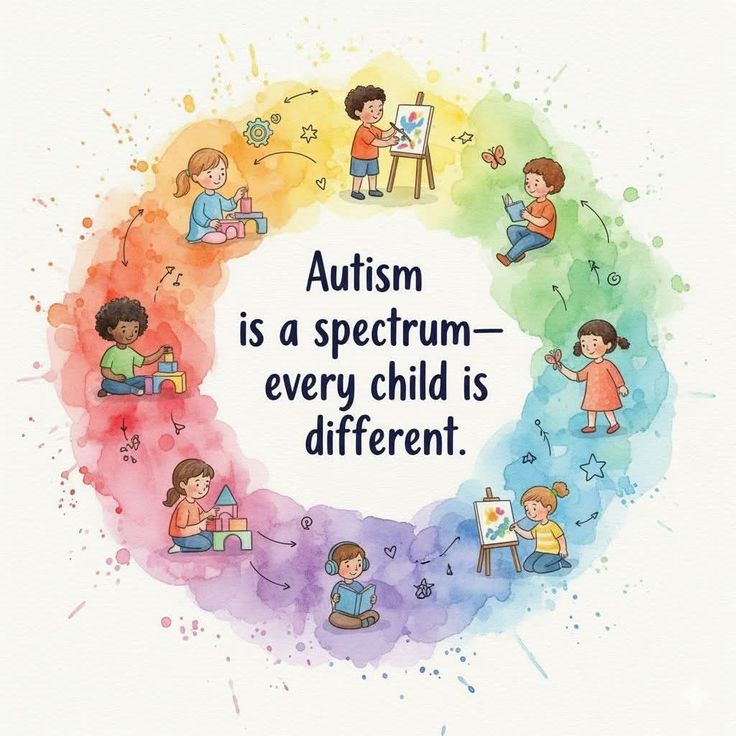
The ADHD Task-Switching Trap: Why Your Brain Gets Stuck (And the Sound Ritual That Unsticks It)
Task-switching with ADHD isn't a willpower problem — it's a documented executive function deficit called set-shifting. Here's the neuroscience and a practical sound ritual that rewires how your brain handles transitions.

Six Minutes: Why Reading Reduces Stress More Than Music, Walking, or Tea
A University of Sussex study found reading reduces stress by 68% in just six minutes — faster than music, a walk, or tea. Here's the cognitive science behind why absorbed reading stops your brain's stress loops.

Caffeine Doesn't Give You Energy — It Just Borrows It: The Adenosine Debt Cycle
Every cup of coffee delays a bill you'll pay later. Understanding the adenosine debt cycle changes how you use caffeine — and unlocks real, sustainable energy.

The Overtired Paradox: Why Babies Fight Sleep When They Need It Most
When a baby passes the sleep window, cortisol spikes and actively opposes sleep onset. Understanding the biology of sleep windows, ultradian cycles, and early tired cues changes everything about infant sleep.
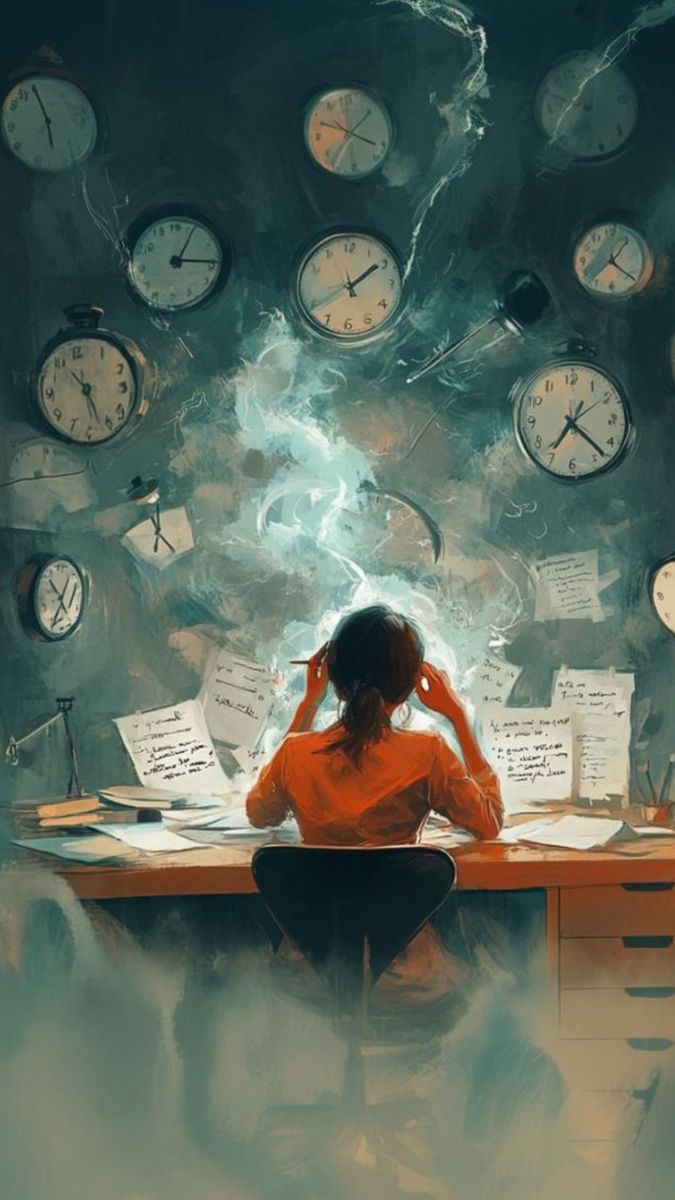
The Real Reason You Can't Focus (It's Not Willpower — It's Network Switching)
Your brain has two competing networks that anti-correlate. Deep focus isn't a willpower problem — it's a matter of which network wins. Here's the neuroscience, and how to tip the balance.
The 10-Day Shift: How Daily Meditation Rewires Your Stress Response
Most people think meditation only helps while you're sitting. The bigger benefit is what changes outside the session — in your amygdala, cortisol, and nervous system baseline.

Your Brain Can Learn to Ignore Tinnitus — Here's Why It Hasn't Yet
Tinnitus habituation is real — your auditory cortex can deprioritize the ringing. The reason it hasn't happened yet is the amygdala, attention, and stress. Here's the neuroscience and what changes it.

Why Weekends Don't Actually Rest You — The Science of Cognitive Deactivation
You took the weekend off but you're still stressed. Unfinished cognitive loops, attention residue, and passive leisure that doesn't actually deactivate — here's the science of genuine recovery.

Why Silence Isn't the Best Sleep Environment (And What Actually Is)
Your brain keeps monitoring sound even in deep sleep. Irregular environmental noise causes micro-arousals that fragment sleep architecture. Here's the science of acoustic masking — and why consistent background sound beats silence.
The Migraine Prodrome: Your Brain Warns You 24 Hours Before the Pain Hits
Before the headache, light sensitivity, or throbbing — your brain sends specific biological warning signals called the prodrome. Learning to read them can change the outcome of every migraine.

Reading Fiction Rewires Empathy: How Stories Build Theory of Mind
Fiction readers understand people better — not because they're naturally sensitive, but because novels train the brain's social prediction system in ways real life cannot. Here's the neuroscience.
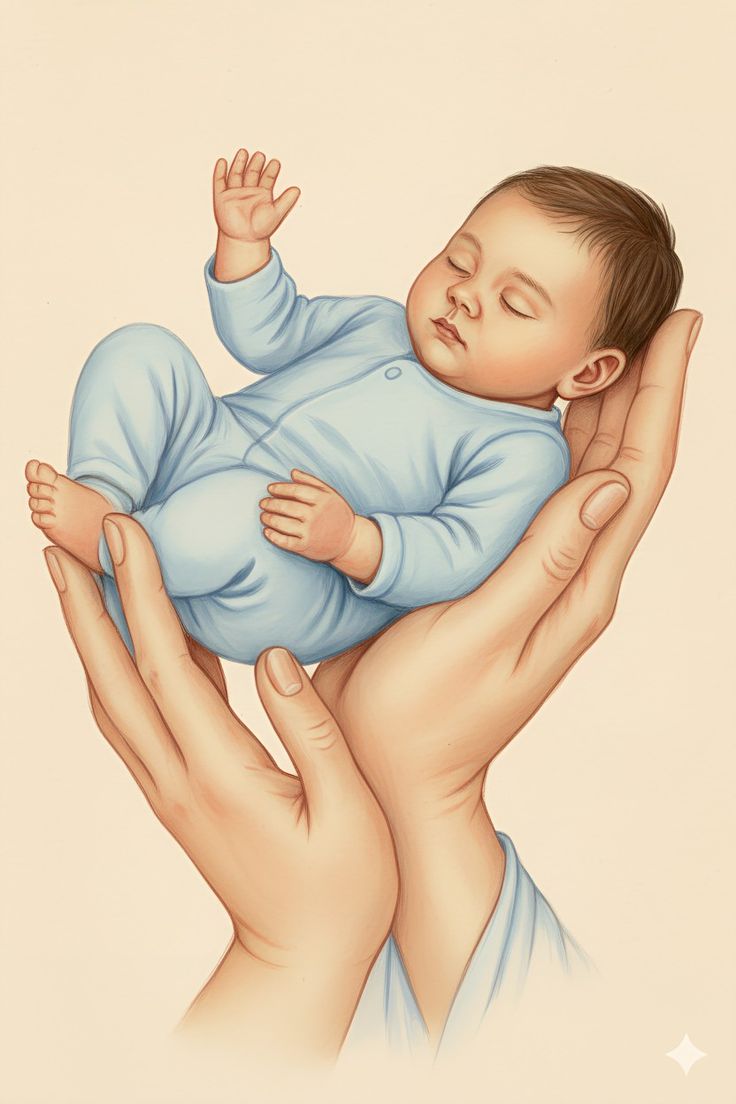
Why Lullabies Don't Work (But Noise Does): The Frequency Science of Baby Calm
Melodic music triggers active listening in your baby's brain — exactly what you don't want at sleep time. Here's the frequency science behind why broadband noise outperforms lullabies every time.

Why Silence Makes ADHD Worse: The Dopamine-Noise Connection
For ADHD brains, silence isn't productive — it triggers seeking behavior. Here's the neuroscience of why the right background sound isn't a distraction, it's the missing ingredient.

Why Trying Hard in Meditation Makes It Worse (The Effort Paradox)
The harder you try to clear your mind in meditation, the louder it gets. Here's the neuroscience of the effort paradox — and what to do instead.

The Morning Energy Window: Why the First 30 Minutes After Waking Set Your Whole Day
Your cortisol spikes 40–60% in the first 30 minutes of waking, morning light locks your circadian clock, and serotonin starts a countdown to tonight's sleep — all before your first coffee.

The Muscle Tension You've Learned to Ignore: Why Your Body Won't Relax
Chronic stress doesn't just live in your head — it gets stored in your muscles as permanent bracing. Here's the neuroscience of somatic tension and how to actually release it.
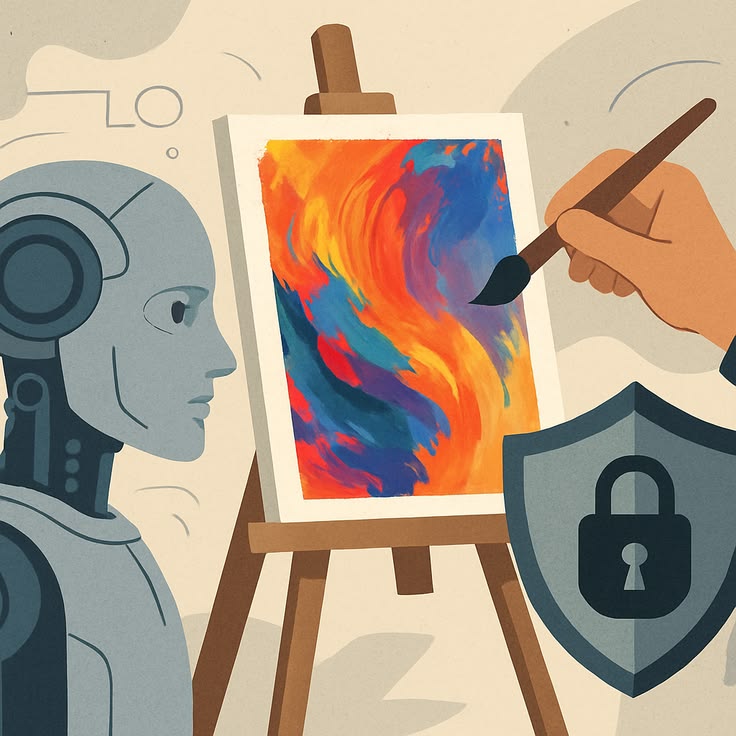
The Attention Residue Effect: Why Task-Switching Costs More Than You Think
Every time you switch tasks, part of your attention stays on the last one. This 'attention residue' silently drains your cognitive capacity — here's the science and how to clear it.

The 1°C Drop: Why Your Body Temperature Is the Real Sleep Switch
Most sleep advice focuses on screens and caffeine. But the single biggest factor for entering deep sleep is body temperature — and most bedrooms are too warm to let it happen.

The Stress-Tinnitus Loop: Why Anxiety Amplifies Your Tinnitus
Stress doesn't just accompany tinnitus — it measurably amplifies the perceived volume. Here's the neuroscience of the anxiety-tinnitus cycle, and how to break it.

The 20-Minute Reading Habit: How Small Daily Sessions Compound Into Brain Change
Reading 20 minutes a day feels trivial. But the brain stores every reading session differently from passive content — and the effect compounds. Here's the neuroscience behind the micro reading habit.

Why Migraines Make You Sound-Sensitive — And the Sound That Actually Helps
Phonophobia affects 80% of migraine sufferers — but the science shows complete silence isn't the answer. Discover why steady low-frequency ambient sound calms the hyperexcitable auditory cortex.

Why Babies Can't Sleep Without Sound (What Most Parents Get Backwards)
Silence doesn't soothe newborns — it terrifies them. Inside the womb it's louder than a vacuum cleaner. Here's the science behind why sound is essential for baby sleep in the 4th trimester.
Why Neurodivergent Brains Can't Filter Background Noise (And What to Do About It)
ADHD and autistic brains don't suppress irrelevant sound the way neurotypical brains do. Here's the neuroscience of sensory gating — and why the right audio environment changes everything.
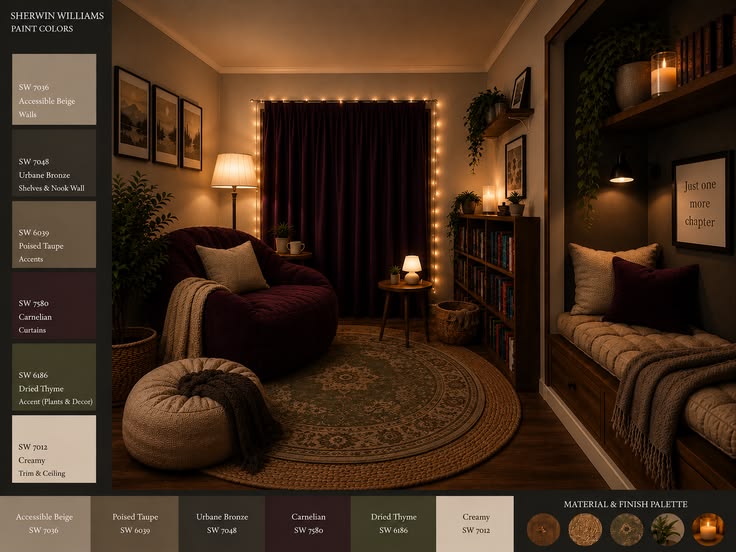
Why Deep Reading Is Getting Harder (And It's Not Your Phone's Fault)
Deep reading is a neural skill that can be unlearned. Here's the science behind why concentration while reading has gotten harder — and the environmental design that gets it back.

Why Your Energy Crashes at 2pm (The Biology Nobody Talks About)
The 2pm slump isn't a willpower problem. It's two overlapping biological systems doing exactly what they're supposed to do — and there's a 10-minute fix that actually works.

Your Brain Has a 90-Minute Focus Window — Are You Using It?
Research shows the brain cycles through 90-minute windows of peak cognitive performance called ultradian rhythms. Here's how to find your window, protect it, and use ambient sound to anchor it.
Why Your Meditation Works Better with Sound (The Auditory Anchor Method)
Silence isn't the default state your brain prefers for meditation. Here's the neuroscience behind auditory anchoring — and why a consistent background sound can take you deeper, faster.
Tinnitus Keeping You Awake? The Silence Advice Is Wrong
Trying to sleep in silence with tinnitus makes it worse — not better. Here's what your auditory cortex is doing at night, and the sound masking approach that actually quiets the ringing.

The Exhale Is Your Off Switch: The Breathing Science of Relaxation
Told to 'breathe deeply' when stressed? Most people do it wrong — they inhale too hard and nothing happens. Here's why the exhale controls your nervous system, and the exact ratios that trigger genuine rest.

Why You Wake Up at 3 AM — And What Your Body Is Actually Doing
Waking at 3 AM and can't fall back asleep? It's not random insomnia — it's your cortisol clock starting too early. Here's the science and 4 things that actually help.

What Triggers Your Migraine — And How Sensory Management Stops the Spiral
The first 10 minutes of a migraine decide how bad it gets. Learn the 4 sensory triggers most people miss, why ambient sound helps a hypersensitive brain, and what to do before it escalates.
Can't Get Into Reading? The Book Isn't the Problem — Your Environment Is
Struggling to focus when you read? It's not the book and it's not willpower. Learn what your brain actually needs to enter deep reading mode — and 4 environment design principles that make it effortless.
5 Minutes of Meditation: What Nobody Tells You
Think you can't meditate because your mind won't stop? That's actually normal. Here's the real goal of meditation — and why a wandering mind is your greatest teacher.

Can't Fall Asleep Even When Exhausted? Your Brain Is Stuck in a Loop
Lying in bed wide awake despite being exhausted is a brain state problem, not a willpower problem. Here's what's happening and 5 evidence-backed ways to break the loop tonight.
Why You Can Never Truly Relax — And 4 Methods That Actually Work
Lying down but still can't switch off? Your brain has a default mode that never really stops. Here's why modern anxiety blocks genuine rest — and 4 science-backed ways to finally relax.
The Fake Focus Trap: Why Being Busy Doesn't Mean You're Focused
You're busy all day but nothing gets done? That's the fake focus trap. Learn the 3 brain science secrets about focus that nobody talks about — and 5 fixes you can start today.
Tinnitus Relief: How Sound Masking Quiets the Ringing
Silence makes tinnitus worse, not better. Learn how sound masking works, which sounds are most effective, and 5 things you can try tonight to reduce ringing in your ears.
Why You Can Never Truly Relax — The Real Cause of Modern Anxiety
Lying on the couch but your brain won't stop running? It's not weakness — your brain never learned to go offline. Neuroscience-grounded look at modern anxiety and four methods that work.

Still Tired After 8 Hours? Sleep Quality Matters More Than Duration
Not laziness, not a personal problem — often the real issue is that you slept, but didn't sleep well. Here's what's actually disrupting your deep sleep and 5 things you can fix tonight.
Can't Focus While Studying? Fix These 5 Concentration Traps
Distraction isn't a willpower problem — it's a system problem. Here are the 3 hidden causes of poor focus and 5 steps to fix them starting today.
Why White Noise Puts Babies to Sleep — The 4th Trimester Explained
Your newborn isn't broken — they're adjusting to a world that's too quiet. Here's the science behind white noise, the 4th trimester, and the 3-step method that works for most babies.
No matching articles. Try a different keyword.