Why Starting With Email
Makes Deep Work Harder
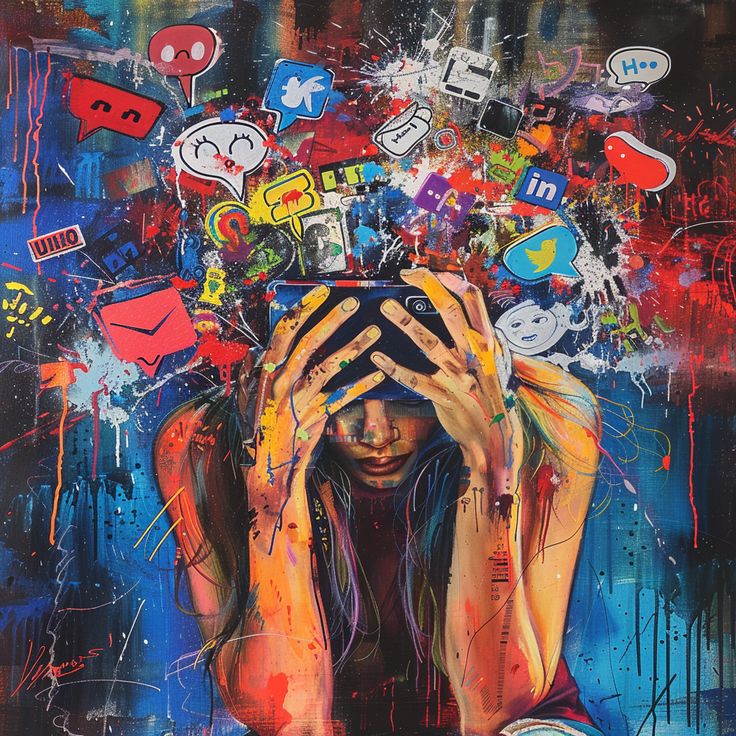
Watch on YouTube: Why Starting With Email Makes Deep Work Harder
If you open email first to warm up, your hardest work often gets harder to enter. The inbox feels productive because you are moving, deciding, and replying, but that movement quietly trains the wrong mode before your real work starts.
Email is not neutral setup. It is a stream of other people's priorities, timing, questions, and unfinished loops. By the time you reach the proposal, the draft, or the analysis, your attention has already been taught to sample, switch, and scan for the next demand.
Why Email Feels Like a Reasonable Warm-Up
The inbox offers easy proof that you have started the day. You can clear a few items, answer something small, and feel useful immediately. That makes it emotionally easier than opening the task that may require twenty quiet minutes before progress becomes visible.
But that convenience is exactly the trap. Email rewards short cycles: open, judge, respond, defer, compare, switch. The brain learns that the morning is for fast triage rather than full commitment.

The Inbox Teaches a Different Attention Style
Deep work needs continuity. Email trains discontinuity. Every message can be a different topic, tone, urgency level, and next step. Even when individual emails are small, the mode they create is broad and unstable.
You do not simply spend fifteen minutes in email. You spend fifteen minutes teaching working memory to stay available for interruption. Then you ask that same mind to settle into one narrow lane and stay there.
Why the Main Task Suddenly Feels Heavier
This is why the important task can feel strangely expensive right after inbox time. The task itself may not have changed, but the brain arrives carrying open loops, unresolved social cues, and a habit of checking for what is next.
People often interpret that heaviness as procrastination or low motivation. Often it is re-entry friction. You are trying to force deep work immediately after practicing the opposite state.

Try Reversing the Order
Instead of touching the inbox first, define one output-first block. One page. One deck section. One analysis question. Give the brain a concrete lane before you expose it to everyone else's requests.
If something is truly urgent, create one brief communications check window with a hard boundary. Clear what is essential, then close the channel completely before the main task begins. The key is not perfection. The key is deciding which mode gets to go first.
You can also reduce the transition cost by making the work block easier to enter. Open the document in advance. Leave one visible next step. Keep the room calmer than the inbox you just avoided.
Protect the First Cognitive Shape of the Day
The first mode of the morning tends to spread. If the first shape is reaction, the rest of the block often stays more reactive than you think. If the first shape is one narrow task, the day has a better chance to stay coherent.
That is where Moodbeez fits naturally. It cannot choose the task for you, but it can give the room a steadier sound floor so the work block starts with fewer sensory negotiations and less drift back toward checking.
If your important work always feels harder after you clear the inbox, stop treating email like a warm-up. It may be the thing teaching your attention to stay scattered.
Watch on YouTube: Why Starting With Email Makes Deep Work Harder
Let deep work go first
Moodbeez gives the room a steadier background, so the first real work block has fewer micro-interruptions fighting for attention.
Explore Moodbeez