
What to do in the first 10 minutes
- Reduce screen light before light sensitivity peaks.
- Replace unpredictable sound with a low, steady, non-lyrical soundscape.
- Remove strong scents and high-contrast visual input as early as possible.
Reviewed by Moodbeez Editorial on Aug 11, 2026. Migraine is a neurological condition; this environment guide is not a substitute for medical care.
The migraine starts. You feel the pressure building, the edges of your vision going strange. Most people's next move is to either keep going — powering through until it's undeniable — or immediately reach for medication and wait. What almost nobody does is deliberately manage the sensory environment they're sitting in.
That environment is making it worse. And the first 10 minutes are when you can still do something about it.
▶ Watch on YouTube: What Triggers Your Migraine — And How Sensory Management Stops the Spiral
A Migraine Isn't Just a Headache
A migraine is a neurological event — specifically, a wave of electrical activity (called cortical spreading depression) that moves across the brain, followed by inflammation of the meningeal blood vessels. What this produces, beyond the pain, is a state of heightened sensory sensitivity: photophobia (light hurts), phonophobia (sound hurts), osmophobia (smells hurt). The brain hasn't just registered pain — it has become hypersensitive to all input.
This is why lying in a room with the TV on, bright overhead lights, and a scented candle doesn't help. You're not resting — you're still bombarding a brain that can no longer process input at normal levels without amplifying it into pain.
Understanding this changes the response from passive waiting to active management. You can't stop a migraine mid-process, but you can change how much sensory load the brain has to handle while it's happening.
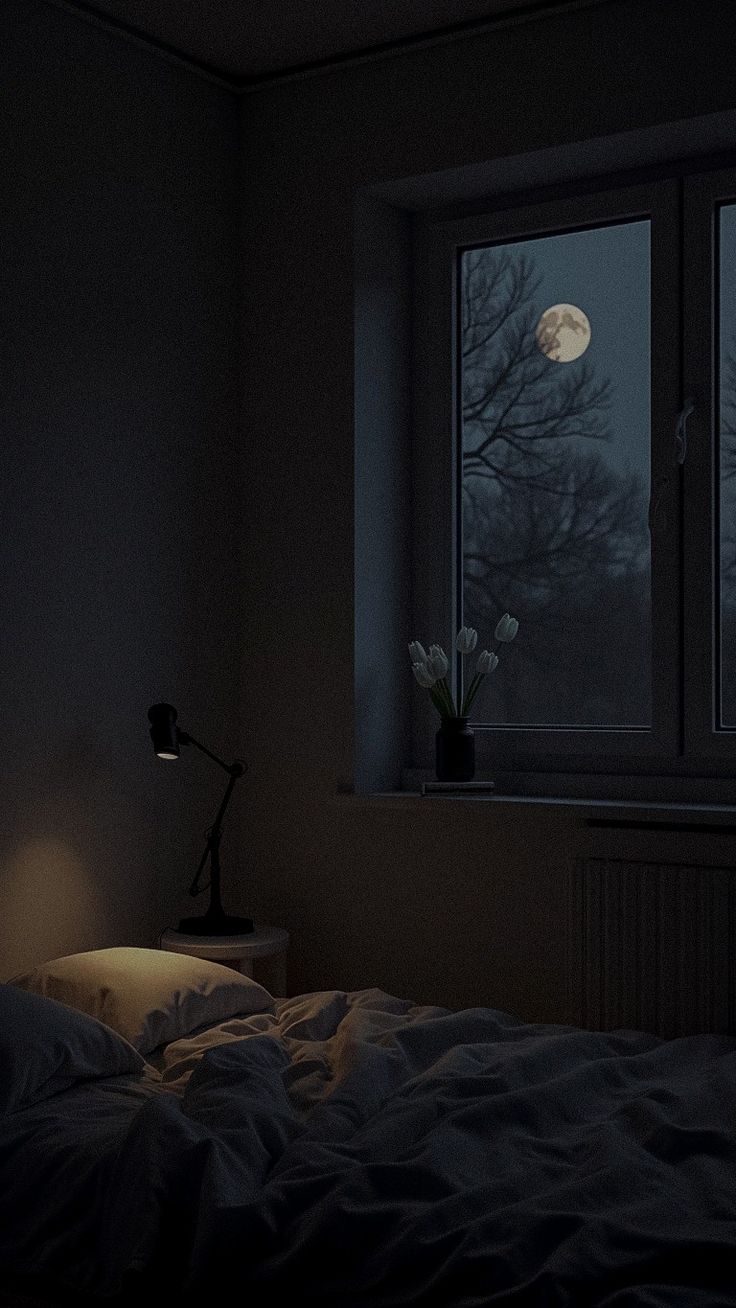
4 Sensory Triggers Most People Overlook
These aren't rare triggers — they're things most people are exposed to daily, and the connection to migraine severity isn't always obvious until you remove them:
Screen Light (Blue-Spectrum)
Blue-spectrum light from phones, laptops, and TVs is particularly problematic during a migraine because it's processed by intrinsically photosensitive retinal ganglion cells that have a direct pathway to the trigeminal pain system. A 2016 study from Harvard found that even blind migraine patients experienced increased pain from blue light — the light doesn't need to reach visual consciousness to worsen the pain. During a migraine, screens aren't just uncomfortable — they're physiologically aggravating.
Unpredictable or Sudden Noise
The brain processes unexpected sounds as potential threats — a survival response that forces rapid attentional reorientation. During a migraine, when the brain is already working at high load, this threat-scanning response is disproportionately costly. Every unexpected sound — a notification, a door slamming, a passing car — triggers a brief but metabolically expensive reorientation cycle. Over time, this adds up. Predictable, steady ambient sound avoids this entirely by giving the auditory cortex something consistent to process without triggering the scan.
Strong Scents
The olfactory system has a direct connection to the trigeminal nerve — the same nerve responsible for migraine pain. Strong scents, especially synthetic fragrances in perfumes, cleaning products, or scented candles, can activate trigeminal pathways and intensify pain even when the smell itself is pleasant. Studies show that around 70% of people with migraines report osmophobia during attacks. Removing yourself from scented environments (or removing the scent source) is one of the highest-leverage quick interventions.
High-Contrast Visual Patterns
Striped patterns, flickering screens, scrolling text, and high-contrast environments overload the visual cortex during a migraine. Research on pattern-induced visual stress shows that certain high-spatial-frequency patterns trigger abnormal neural responses in migraine-prone brains even between attacks — during an attack, this effect is multiplied. Resting in a visually uniform, low-contrast environment (plain walls, dim light, no screens) reduces this load substantially.

The First 10 Minutes: What to Do
The window between migraine onset and full escalation is where sensory management makes the biggest difference. Three moves, in order of impact:
Kill the Light
Close the laptop, put the phone face-down, draw the curtains. Dim the room as much as possible — don't wait until the light starts feeling unbearable. At that point you've already let the visual cortex accumulate load. If you can't get to a dark room, closing your eyes and covering them with a sleep mask dramatically reduces the blue-light exposure that's fueling the trigeminal response. This is probably the single highest-impact first move.
Replace Noise with Steady Ambient Sound
This step is counterintuitive — many people think silence is the goal. But complete silence amplifies every stray sound into a potential startle. The goal isn't silence; it's predictability. A steady, low-frequency ambient sound — soft rain, a low drone, gentle low-register music with no sudden changes — occupies the auditory cortex with something consistent. There's nothing unexpected to process. The brain stops scanning. This is meaningfully different from lying in silence and being jolted by every passing sound.
Remove Scent Triggers
Move away from the kitchen if cooking is happening, open a window if cleaning products are present, remove scented candles or diffusers. If you're somewhere you can't control the scent environment (office, public space), focus on the other two interventions and find a way to exit as soon as possible. A neutral-scent environment lets the trigeminal nerve settle rather than stay activated.
Why Ambient Sound Specifically Helps
The mechanism is worth understanding clearly. During a migraine, the brain is running at high metabolic cost — the neurological event itself consumes resources, and every environmental input adds to that load. Silence doesn't reduce load; it just creates an environment where any sound becomes a surprise. And surprises are expensive for an overloaded brain.
Steady ambient sound works by preoccupying the auditory threat-detection system with something constant. When the auditory cortex is already processing a consistent input, it doesn't need to divert attentional resources to evaluate each new sound. The "what was that?" scan — which in normal circumstances is fast and cheap — becomes slow and costly during a migraine. Ambient sound short-circuits that process by making the answer always the same: "that's just the rain."
The key constraints for migraine-appropriate ambient sound: no sudden volume changes, no high-pitched frequencies, no lyrics or spoken word (which engages language processing), no percussive elements that create anticipation and release. Low-register, steady, gradual — the auditory equivalent of a dim room.
Frequently Asked Questions
Sound built for a brain that's already working too hard
Moodbeez has migraine relief soundscapes — low-frequency, no sudden changes, no lyrics. Ready the moment a migraine starts, before it escalates.
Explore Moodbeez▶ Watch on YouTube: What Triggers Your Migraine — And How Sensory Management Stops the Spiral