
▶ Watch on YouTube: The 1°C Drop — Why Your Body Temperature Is the Real Sleep Switch
The conversation about sleep has been captured by two villains: blue light and caffeine. Both are real, and the advice is sound — but they're not the biggest factor in whether you actually enter deep sleep. The factor nobody talks about is your body temperature. More specifically, whether your environment allows your core temperature to drop the way it needs to at night.
This isn't minor biology. It's the primary mechanism the circadian clock uses to initiate sleep. And most people are sleeping in rooms that are simply too warm to let it happen correctly.
The Temperature Mandate: 1°C or Sleep Doesn't Start
As evening approaches, your circadian clock begins orchestrating a drop in core body temperature. This isn't a side effect of sleepiness — it's a prerequisite for it. Core temperature needs to fall roughly 1 to 1.5°C (about 2°F) below its daytime peak before the brain can reliably transition into slow-wave sleep, the deepest and most restorative sleep stage.
This drop is triggered by peripheral vasodilation: blood vessels in the skin of the hands and feet dilate, routing warm blood to the surface where heat can radiate out. Your extremities literally act as radiators, dumping core heat into the environment. When the process works well, your hands and feet feel warm just before sleep — paradoxically, because your body is shedding heat through them.
The relationship is causal, not coincidental. Studies injecting warm or cool fluid into the pre-optic area of the hypothalamus — the brain region that manages temperature — can induce or prevent sleep simply by changing local temperature. The sleep signal and the thermal signal are the same signal.
The Warm Bedroom Trap
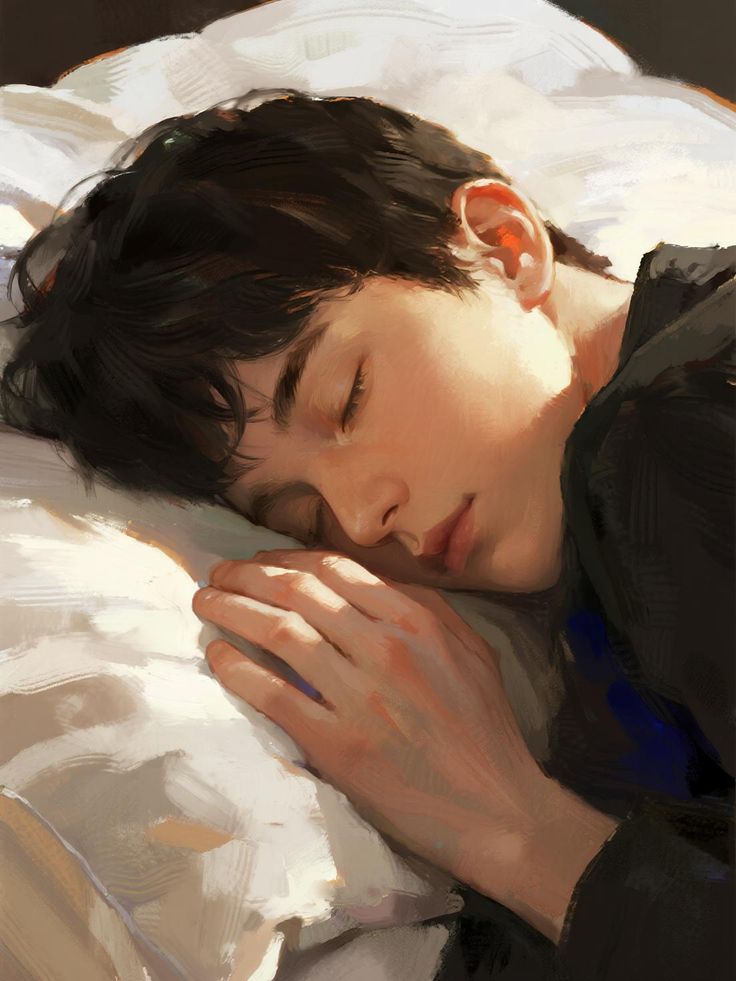
Most modern homes maintain bedroom temperatures between 20 and 23°C (68–73°F). This feels comfortable. But for sleep physiology, it's too warm. The body needs the ambient environment cool enough to allow heat to flow outward. When the room is warm, the temperature gradient between body surface and air is too small for efficient heat dissipation. The core temperature drop stalls, and sleep onset is delayed — sometimes significantly.
Research on sleep and ambient temperature consistently points to 16–19°C (60–67°F) as the optimal range for initiating and maintaining deep sleep. This range feels noticeably cool, especially if you're used to sleeping warmer. That coolness is not discomfort — it's the environment doing what sleep physiology requires.
The practical consequence is that many people who report difficulty falling asleep, or who feel they sleep lightly and wake easily, are not suffering from an anxiety problem or a screen problem. They're sleeping in a thermal environment that their body cannot adequately cool against.
The Warm Bath Paradox — and Why It Actually Works
If cool environments help sleep, why does a warm bath before bed improve sleep onset? This is one of the most counterintuitive findings in sleep research, but the mechanism resolves the paradox immediately.
A warm bath (40–42°C, about 104°F) taken 60–90 minutes before bed causes rapid peripheral vasodilation. The surface blood vessels open wide, flooding the skin with warm blood. The body then dumps this heat aggressively into the environment — a forced heat purge. When you get out of the bath and the purging stops, your core temperature has been lowered faster than it would have declined on its own. You fall asleep faster not because you were warmed, but because the warming triggered an accelerated cooling event.
Cool the room, not just yourself
Aim for 16–19°C (60–67°F). A single degree of difference in room temperature has measurable effects on time spent in deep sleep. If you share a bed, a lighter blanket with separate covers solves the asymmetry — one person runs hotter than the other in almost every couple.
Use the warm bath 60–90 minutes before sleep
Timing matters. Immediately before bed, the body is still in the heat-purging phase. An hour or more before bed, the purge completes and you arrive at sleep in an accelerated cooling state. Ten to fifteen minutes in warm water is sufficient. Longer is not better — the mechanism is triggered quickly.
Wear socks if your feet are usually cold
Cold feet at night often signal impaired peripheral vasodilation — the heat-dumping mechanism is struggling. Wearing thin socks keeps the extremities warm enough for the blood vessels to dilate and radiate heat. Counterintuitively, warmer feet at sleep onset accelerates core cooling. Remove them if you overheat later in the night.
Sound Environment: The Other Half of the Equation
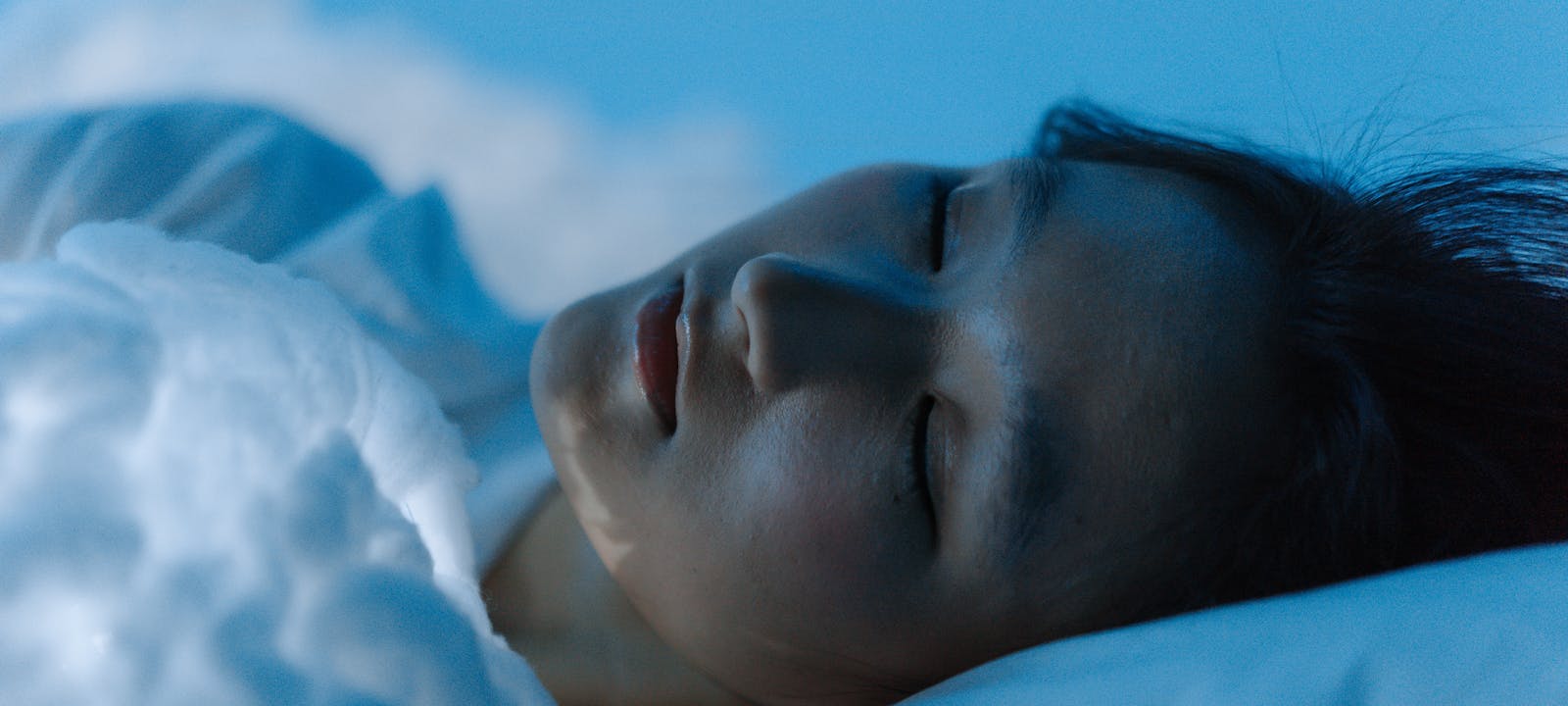
Thermal regulation and acoustic environment are separate systems, but they converge on the same outcome: whether the nervous system can fully disengage at sleep onset. A cool room sets the thermal conditions for deep sleep. But a disruptive acoustic environment keeps the brain's threat-monitoring circuits active, preventing the descent into slow-wave sleep even when the body is thermally ready.
Sudden sounds — a neighbor's door, street traffic, a phone notification — trigger the orienting response in the auditory cortex, briefly pulling the brain toward wakefulness. Each interruption resets the sleep descent process. Brown noise or a consistent rain soundscape masks this variability by providing a stable auditory background that the auditory cortex reads as non-threatening and predictable. The monitoring circuits quiet. The descent continues.
Getting both conditions right — thermal and acoustic — is not redundant optimization. For light sleepers especially, each variable alone is insufficient. The combination is what closes the loop.
Frequently Asked Questions
▶ Watch on YouTube: The 1°C Drop — Why Your Body Temperature Is the Real Sleep Switch
Sound designed to complete your sleep environment
Moodbeez sleep soundscapes pair with a cooled bedroom to close the acoustic loop — a stable ambient field that quiets the auditory cortex so your body's thermal descent into deep sleep isn't interrupted.
Explore Moodbeez