▶ Watch on YouTube: Reading Before Sleep
Reading before bed has been recommended for so long that it's easy to dismiss as folk wisdom — something grandmothers say without knowing why. But the neuroscience underneath it is real, specific, and somewhat astonishing. When you read fiction before sleep, you're not just relaxing. You're queuing a story for overnight processing, and the sleeping brain takes that handoff seriously.
This isn't a metaphor. It's a description of how memory consolidation works during REM sleep, what kinds of content the sleeping brain processes most efficiently, and why the delivery method — physical book versus screen — changes the outcome more than most people expect.
What the Sleeping Brain Actually Does With Stories
During REM sleep, the brain doesn't simply rest. It replays recent experiences, strips away irrelevant details, and integrates what remains into long-term memory through a process called offline consolidation. The hippocampus — the brain's primary memory-encoding structure — plays episodes back during this phase, binding them to existing knowledge and emotional context so they become retrievable, connected, and meaningful rather than isolated fragments.
What the sleeping brain processes best is not random — it has preferences baked into its architecture. Narrative content has a structural advantage over factual lists or disconnected information. Stories have causes, characters, consequences, and emotional arcs. The hippocampus is built to encode exactly this kind of causal, emotionally tagged sequence. This means fiction read before sleep arrives at the consolidation process pre-organized in the format memory systems prefer.
This explains something parents have observed for generations without being able to name it: children who receive consistent bedtime stories don't just develop larger vocabularies. They develop stronger narrative comprehension, more robust emotional processing, and richer imaginative capacity — partly because those stories are rehearsed overnight in every REM cycle that follows.
The Alpha-Theta Transition: When Narrative Goes Deep
The brain doesn't switch from waking to sleep in a single step. It moves through a transitional state — the shift from alert beta waves through relaxed alpha waves into the drowsy theta that marks the approach of sleep. This alpha-theta boundary is one of the brain's most unusual and productive windows.
During alpha-theta transition, the brain becomes highly associative. The critical faculty that evaluates and filters information relaxes. Imagery, emotion, and narrative flow more freely between cortical regions, connecting recent content with stored memories in ways that don't happen during focused waking attention. Psychologists studying this state describe it as hypnagogic: a condition of unusual openness to both new input and spontaneous synthesis.
Reading fiction directly into this state — allowing the drowsiness to creep up while you're still following a story — puts the narrative content into the associative window at its widest. The characters and events connect with emotional memories, values, and personal experiences that the critical, fully-awake mind would filter out. The story takes root in unusually fertile ground.

Why Screens Actively Block This Process
The problem with reading on a phone or tablet before sleep isn't just about the content on those devices. It's about what the light itself does to the brain state that bedtime reading is supposed to create.
Blue light and melatonin suppression. Screens emit light in the blue spectrum that the retina's intrinsically photosensitive ganglion cells are specifically tuned to detect. These cells send signals directly to the suprachiasmatic nucleus — the brain's circadian master clock — indicating that it is daytime and suppressing melatonin release accordingly. Evening screen exposure delays melatonin onset and keeps the brain in a beta-alert state rather than allowing the shift toward alpha that bedtime reading requires.
The content format problem. Beyond blue light, the interaction pattern of most screen use — scrolling feeds, notifications, short-form video, reactive content — keeps the alertness network engaged in a way that sustained narrative reading does not. The brain treats incoming notifications as potential demands. Even the anticipation of a notification — the habit of checking — maintains a low-level threat-vigilance state that is the opposite of the associative openness of alpha-theta transition.
Reading the same story on a device as you would on paper does reduce these effects, but it doesn't eliminate them. The melatonin suppression from screen light continues regardless of content, and most people find that screen habit-patterns (checking notifications, switching apps) intrude even when they intend to read only.
What Physical Books Do Instead
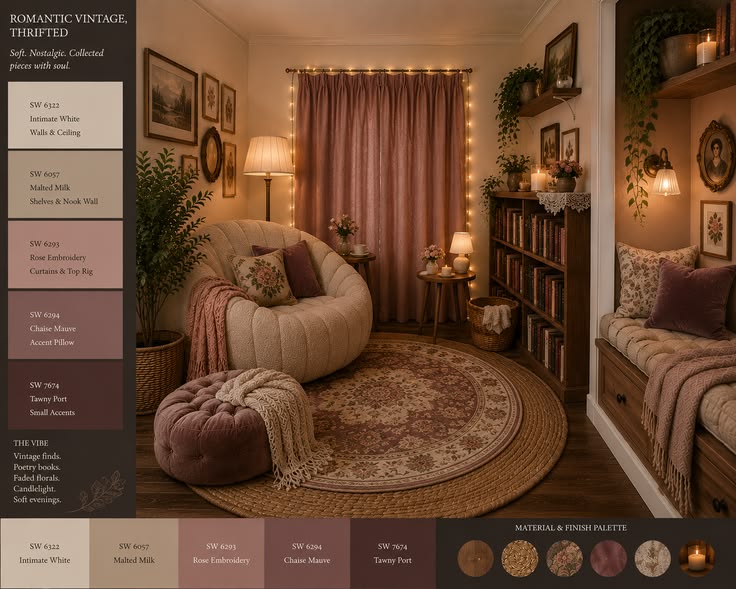
A physical book under a warm, dim incandescent or amber lamp produces none of the disruptions that screens create. The light spectrum is warm — low in blue, rich in the amber and red wavelengths that don't trigger the circadian alerting signal. The interaction model is uninterrupted and passive in the right way: no notifications, no infinite scroll, no demands. The tactile experience of the page, the physical weight of the book, and the ambient warmth of the lamp all serve as environmental cues that tell the nervous system: the day is winding down.
These physical cues activate the parasympathetic nervous system — the rest-and-digest mode that is both the physiological precondition for sleep and the neurological state in which the transition to alpha waves occurs most naturally. The reading and the winding-down become the same direction rather than competing vectors.

Building the Bedtime Reading Practice
Knowing the mechanism doesn't automatically translate into a working routine. The practical architecture matters.
Set the Environment Before You Open the Book
Dim the lights to amber or warm white at least 30 minutes before reading. Lower the thermostat slightly — the body temperature drop that triggers sleep onset is aided by a cooler room. These steps begin the alpha shift before you pick up the book, so you're already partway into the winding-down state when reading starts.
Start With Ambient Sound
Consistent, non-intrusive background sound accelerates the transition from alert beta to relaxed alpha. A steady ambient soundscape — rain, low-frequency forest tones, soft instrumental texture — provides the signal-free environment that lets the mind stop scanning for threats and begin the associative, receptive state reading requires. Start the sound before you open the book, not after.
Choose Absorbing Fiction Over Demanding Non-Fiction
The goal is narrative absorption — becoming genuinely pulled into the story world. Genre fiction, literary fiction, mystery, and historical novels all work if they hold you. Dense analytical non-fiction that demands full cognitive alertness is counterproductive before sleep, because it requires the beta state you're trying to leave. Save challenging non-fiction for morning; bedtime reading should draw you in without waking you up.
Read for 20–30 Minutes, Then Stop at Drowsiness
The optimal session is long enough to achieve genuine absorption — usually requiring about six minutes to cross the cognitive immersion threshold — and short enough to remain in winding-down mode. When drowsiness arrives, that is the brain signaling that the alpha-theta transition has begun and the narrative handoff is ready. Pushing past that point to finish a chapter usually produces fragmented, less consolidated memory of what you just read.
Frequently Asked Questions
Ambient sound designed for bedtime reading
Moodbeez reading soundscapes are built for the alpha transition — consistent, non-intrusive ambient tones that quiet the alertness network and help you cross from wide-awake into the receptive state where bedtime reading works best. Start the sound before you open the book.
Explore Moodbeez