Why One Reading Chair Works Better Than More Reading Goals
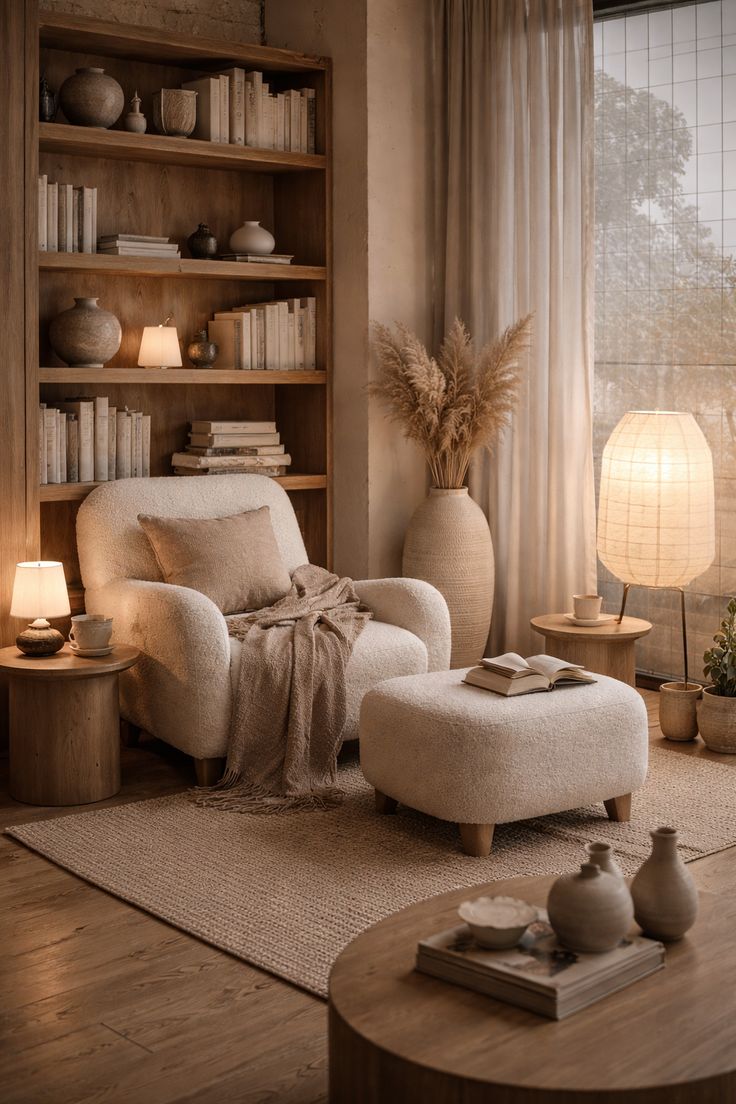
Watch on YouTube: Why One Reading Chair Works Better Than More Reading Goals
If your reading habit keeps collapsing after a few enthusiastic days, the problem may not be motivation, taste, or discipline. The habit may be dying earlier than that, in the few quiet seconds before you ever open the book.
Where should you sit? Which book should you start? Do you need tea first? Is the room too bright? Should you put music on? Tiny questions feel harmless, but they create startup friction. Enough friction and the brain starts looking for an easier reward long before the first paragraph has a chance.
Why One Spot Matters So Much
The brain learns through cues. Repeated contexts become shortcuts. Sit in the same chair with the same lamp and the same first move often enough, and the room starts carrying part of the behavior for you. You do not have to manufacture the entire reading state from zero every night.
This is one reason libraries feel easier than improvised reading sessions at home. A library does not just remove noise. It removes ambiguity. The furniture, posture, silence, and visual field all point in one direction: settle here and stay with one thing.
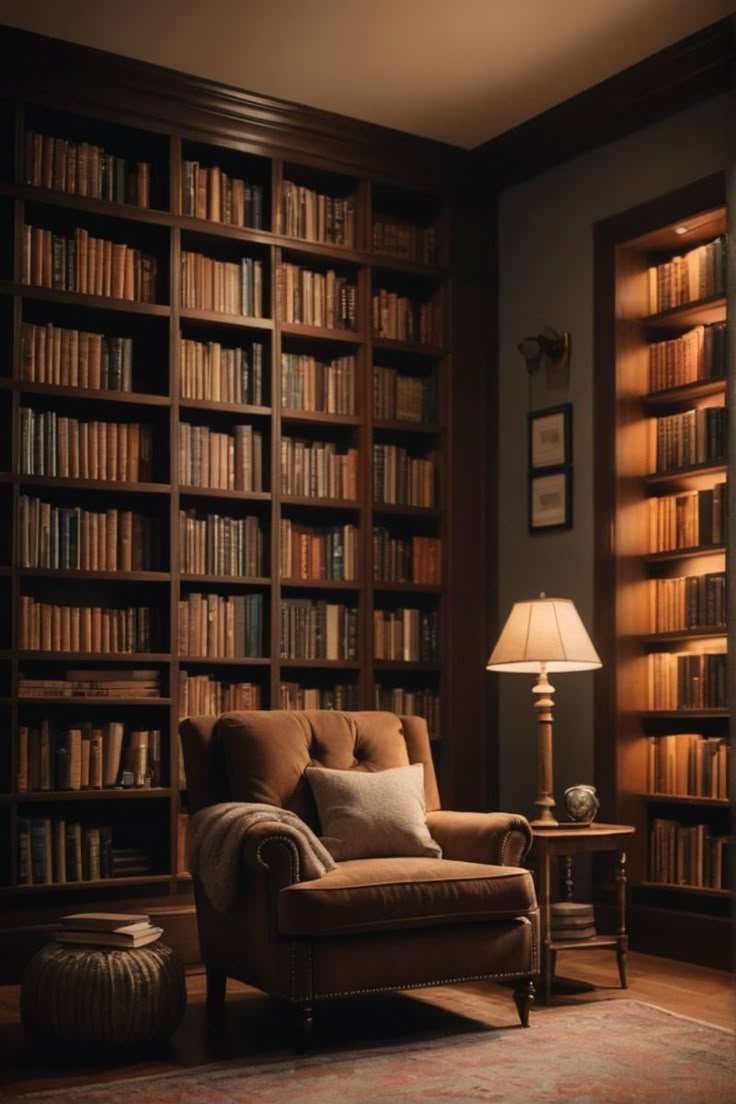
Why Motivation Usually Loses the First Minute
Motivation is expensive when every session begins with decisions. The more often you ask your brain to figure out where reading belongs, the more often it delays the answer. A dedicated reading corner reduces that mental tax. It makes the beginning small enough that the book can finally compete on its own terms.
The goal is not perfection. You do not need a beautiful library, a cottage window, or a ritual elaborate enough for social media. You need repeatability. One chair. One nearby book. One lamp. One tiny starting action that does not require debate.
How Sound Helps the Chair Become a Cue
Sound works for the same reason place works: it stabilizes the doorway. If the same low-demand ambience begins whenever you sit in that chair, the nervous system gets one more signal that says this is not scrolling time, not working time, and not restless in-between time. It is reading time.
That is what people often miss about habits. The environment is not decoration around the behavior. It is part of the behavior. When the doorway stays the same, attention stops spending so much energy on getting started and can spend more of it on the page.

So if you want to read more, do not start with a more ambitious goal. Start by giving the page a home.
Watch on YouTube: Why One Reading Chair Works Better Than More Reading Goals
Give your reading habit an easier doorway
Moodbeez helps turn a reading corner into a repeatable sensory cue, so getting to page one costs less every time.
Explore Moodbeez