Why Scrolling After Work
Still Leaves You Tired

Watch on YouTube: Why Scrolling After Work Still Leaves You Tired
You finish the day depleted, collapse somewhere soft, open your phone, and tell yourself you are finally resting. Forty minutes later, you are somehow more drained than when you started.
That is not a character flaw. It is often a mode problem. What looks passive to you can still look like low-level vigilance to the brain.
Why Scrolling Feels Easy but Not Restorative
Real recovery usually lowers demands. Fewer decisions. Fewer surprises. Less novelty. Less social comparison. Less pressure to evaluate what comes next.
Scrolling does almost the opposite. Even in a lazy position, you are still taking in new faces, new claims, new micro-conflicts, and tiny decisions every few seconds. Keep watching? Skip? Reply? Save? Compare? Judge?
The workday may be over, but the nervous system is still lightly on duty.

Why It Can Leave You Feeling Strangely Empty
People often describe this state as “I did nothing all evening, but I do not feel better.” That feeling makes sense. You did not keep doing hard work, but you also did not give the brain a stable landing surface.
Instead of moving into recovery, attention stays in a soft but constant readiness. It is not intense enough to feel like stress. It is just persistent enough to block real downshift.
What Real Unwinding Usually Has Instead
Rest is often less about entertainment and more about simplification. The body settles more easily when inputs become more predictable, not more interesting.
That is why the best evening transitions are often plain: a shower, tea, folding laundry, a familiar chair, dimmer light, one calm sound bed, and no need to keep deciding what to do next.
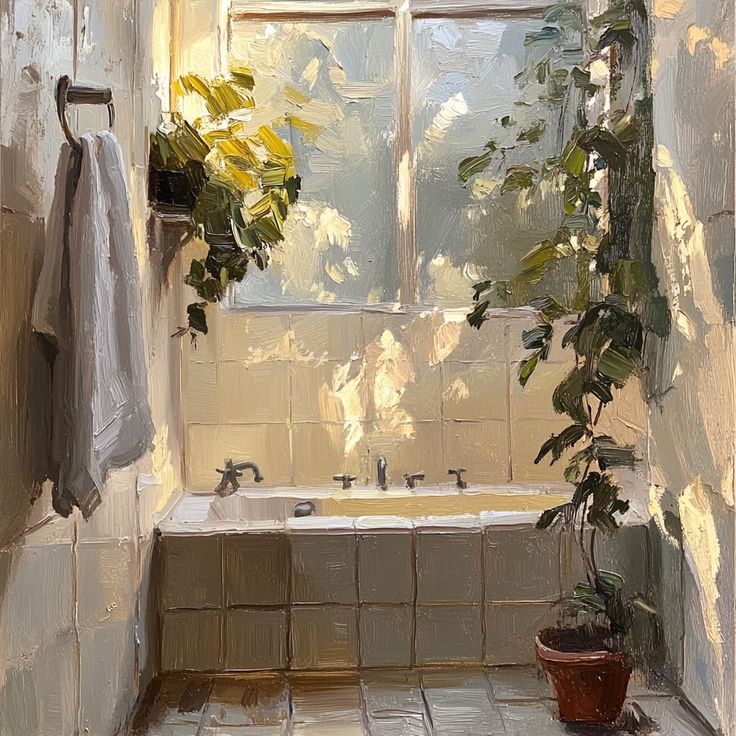
How to Make Evenings Feel More Restful
Delay the phone for ten minutes
Give the nervous system one short stretch of lower novelty before you invite the feed back in.
Keep one repetitive action
Tea, showering, skincare, stretching, or tidying works because the task does not keep changing shape.
Lower the room’s signal load
Dimmer light, fewer tabs, fewer conversations, and less algorithmic novelty give the body a better chance to stop scanning.
Add one steady background sound
A continuous sound floor helps the room feel less sharp and less demand-heavy than silence plus random digital stimulation.
Use Sound to Support the Downshift
This is where Moodbeez helps. Not by making your evening productive, but by making it simpler. A stable sound layer gives the nervous system something consistent to sit inside while the rest of the room gets quieter and less demanding.
The point is not to become perfectly calm in one minute. The point is to stop feeding the alert system while you are asking it to stand down.
Watch on YouTube: Why Scrolling After Work Still Leaves You Tired
Because it still keeps novelty, comparison, and micro-decisions active. Your body may be still, but attention is often still working.
No. The more useful change is usually delaying it briefly and giving yourself a lower-demand transition first.
Predictable cues help most: fewer decisions, dimmer input, one repetitive activity, and a steady sound floor that reduces the sense of constant interruption.
Make evenings feel less jagged
Moodbeez gives your after-work routine a steadier background so recovery has a better place to start.
Explore Moodbeez