Why One Quick Search
Can Break Your
Focus Block

Watch on YouTube: Why One Quick Search Can Break Your Focus Block
You are halfway through a paragraph, a slide, a brief, or a report. One missing fact appears. You tell yourself you will check one number, one term, one date, one citation, then come right back.
Ten minutes later you have three tabs open, two adjacent questions, a slightly better understanding of the topic, and a much worse connection to the sentence you were building.
Why the Search Feels So Harmless
A quick search looks responsible. It feels concrete, useful, and easy to justify. Compared with writing a difficult transition or making a judgment call with incomplete information, opening a search tab feels like progress.
That is why this pattern is so sticky. It does not feel like distraction. It feels like diligence.
What Actually Changes When You Search
Before the search, you were in building mode. You were holding a local mental map: what the paragraph is trying to do, what the next line should connect to, what tone you are carrying, what decision is about to be made.
Search interrupts that mode and swaps you into evaluation mode. Now the brain is scanning results, comparing sources, deciding which tab to trust, deciding whether a second question also needs answering, and noticing five new paths it could follow.
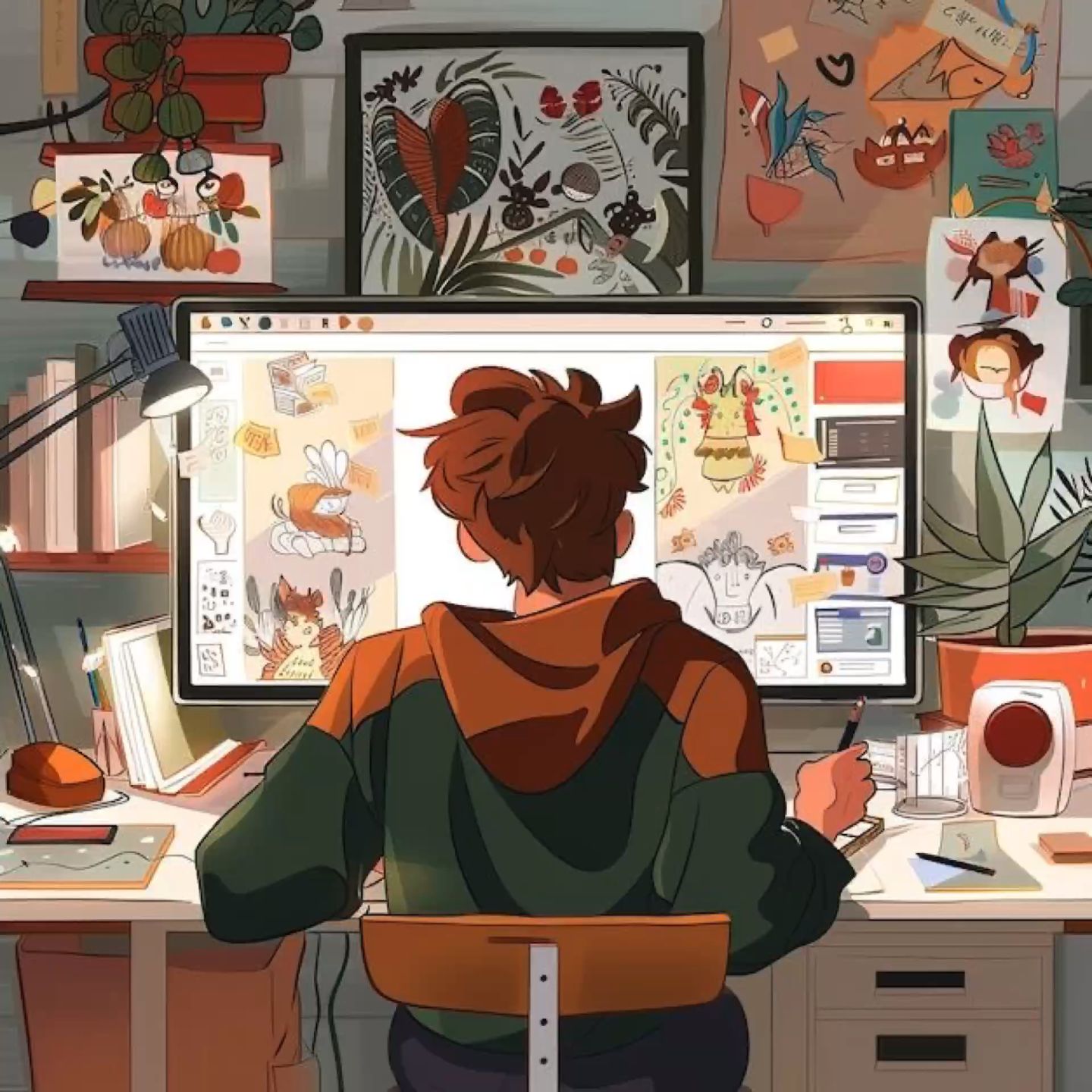
Search results are possibility engines. They do not just answer the original question. They create adjacent ones. That is why a useful search can still be cognitively expensive.
Why Re-Entry Feels Worse Than It Should
The line you were writing a minute ago was not stored as one tidy object. It was supported by working memory, emotional momentum, and a very recent sense of direction. That whole structure is fragile.
Once the search opens a different task-state, the original structure cools down. Returning is not like resuming a paused video. It is more like rebuilding a small stage set that was removed while you were gone.
What Works Better Than Banning Search Completely
Mark the gap inline when the answer is not blocking you
Drop a fast placeholder like "[verify statistic]" or "[check study name]" and keep drafting while the lane is still alive.
If you must search now, ask one exact question
Do not search the whole topic. Search the smallest answer that lets the work move again.
Write the answer into the draft before opening anything else
Capture the needed fact directly in your working document so the return path is obvious.
Save adjacent leads for a later verification block
You do not need every interesting branch resolved inside the same focus block that is trying to make something.
Why the Environment Still Matters on the Way Back
Re-entry is easiest when the room is not asking for more negotiation. Fewer sensory pulls mean fewer reasons for the brain to extend the interruption and keep drifting.
This is where Moodbeez fits well. It does not replace the discipline of staying with the work, but it helps keep the lane steady so one brief detour does not become a full context collapse.
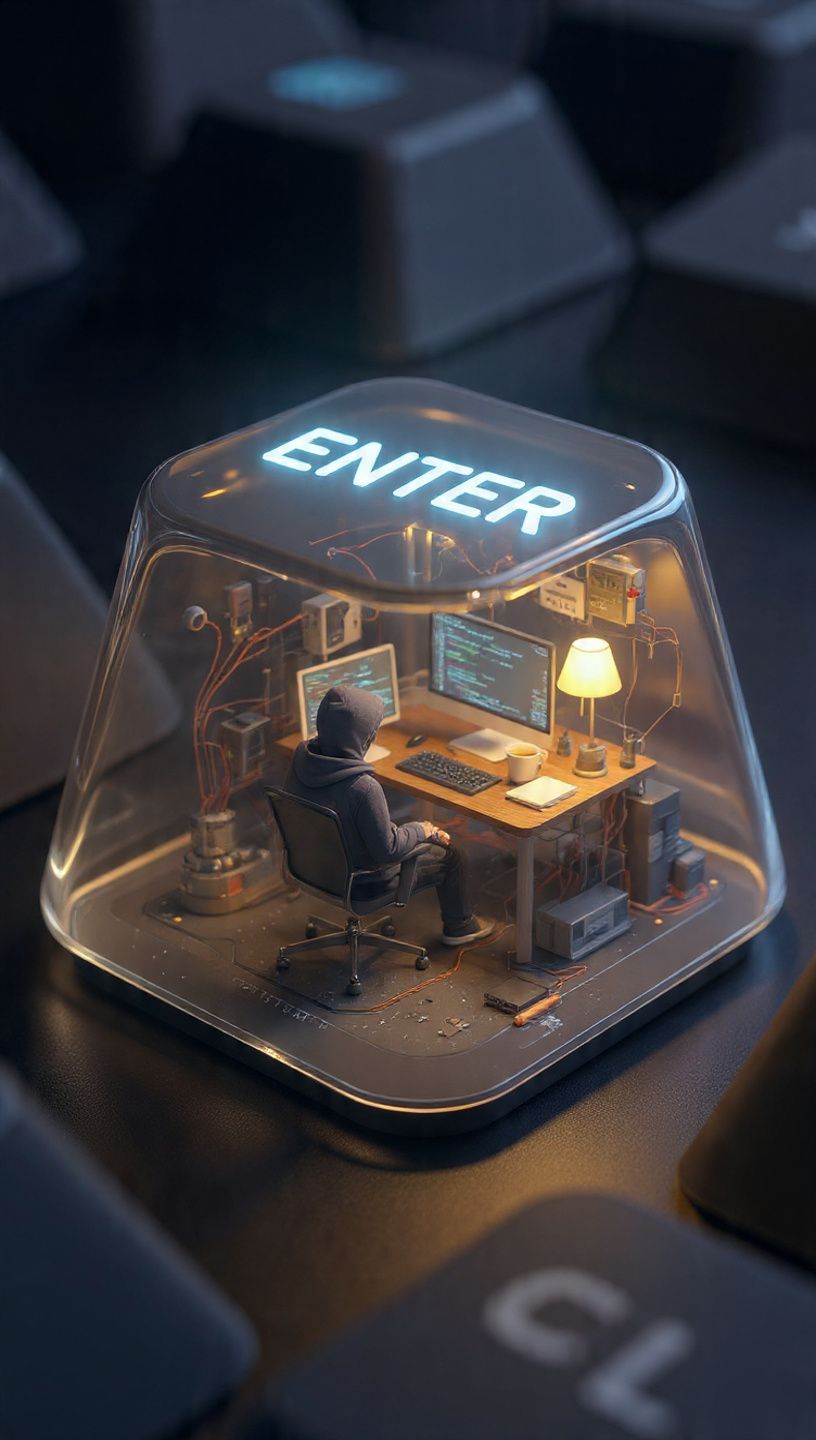
Watch on YouTube: Why One Quick Search Can Break Your Focus Block
No. The point is not to ban research. The point is to stop mixing drafting and open-ended searching when the answer is not immediately necessary.
Because it often changes task mode. You leave the fragile mental state of making and enter a wider state of comparing, deciding, and following side leads.
Mark the gap if you can keep going. If you cannot, search for one exact answer, write it into the draft immediately, and save extra branches for later.
Protect the return path, not just the work block
Moodbeez helps the room stay steady so one small search does not have to turn into a full break in your thinking.
Explore Moodbeez