Why Choosing Dinner
Feels Weirdly Hard
After a Migraine

Watch on YouTube: Why Choosing Dinner Feels Weirdly Hard After a Migraine
If you have ever come out of a migraine, heard someone ask what you want to eat, and felt bizarrely close to tears, the problem may not be hunger. It may not even be the food. Very often, the problem is that the question carries more sensory and decision cost than your recovering brain can afford.
To someone outside the migraine, dinner sounds simple. But to the person still landing, it can mean smell, brightness, texture, prep, cleanup, timing, and maybe even conversation. The pain may be lower while the cost of choosing is still surprisingly high.
Why This Small Question Feels So Big
Migraine recovery is not only about pain fading. Smell tolerance, visual tolerance, timing, and decision speed often come back unevenly. That is why a person can be “better” and still freeze when asked to choose between ordinary options.
Open-ended decisions are especially expensive because the brain has to simulate each one. Hot or cold. Heavy or light. Sweet or salty. Eat now or later. Order something or prepare something. Every option adds a little more preview work.
Overloaded Is Not the Same as Indecisive
People often misread this as moodiness or indecision. But a recovering migraine brain is usually not struggling with preference. It is struggling with cost. The smell of a warm meal may feel wrong. Bright packaging may feel sharp. Even looking at a long delivery menu can reopen the outside world too fast.
That is why guilt shows up so quickly. You know this should be easy. You know other people answer the question instantly. But what your nervous system is actually asking for is less choosing, not more effort.
What Helps More Than Pushing Through
The easiest fix is often pre-deciding. Keep two or three default recovery foods around: something familiar, low-smell, low-prep, and low-surprise. Soup, toast, rice, fruit, yogurt, crackers, or another safe meal you already know sits gently. The exact food matters less than the fact that the menu is already smaller.
If another person is helping, closed choices usually work better than open questions. “Soup or toast?” is cheaper than “What do you want?” So is “Tea or water?” and “Now or in twenty minutes?” Narrow questions protect energy because they remove design work from the answer.

Why the Room Still Matters
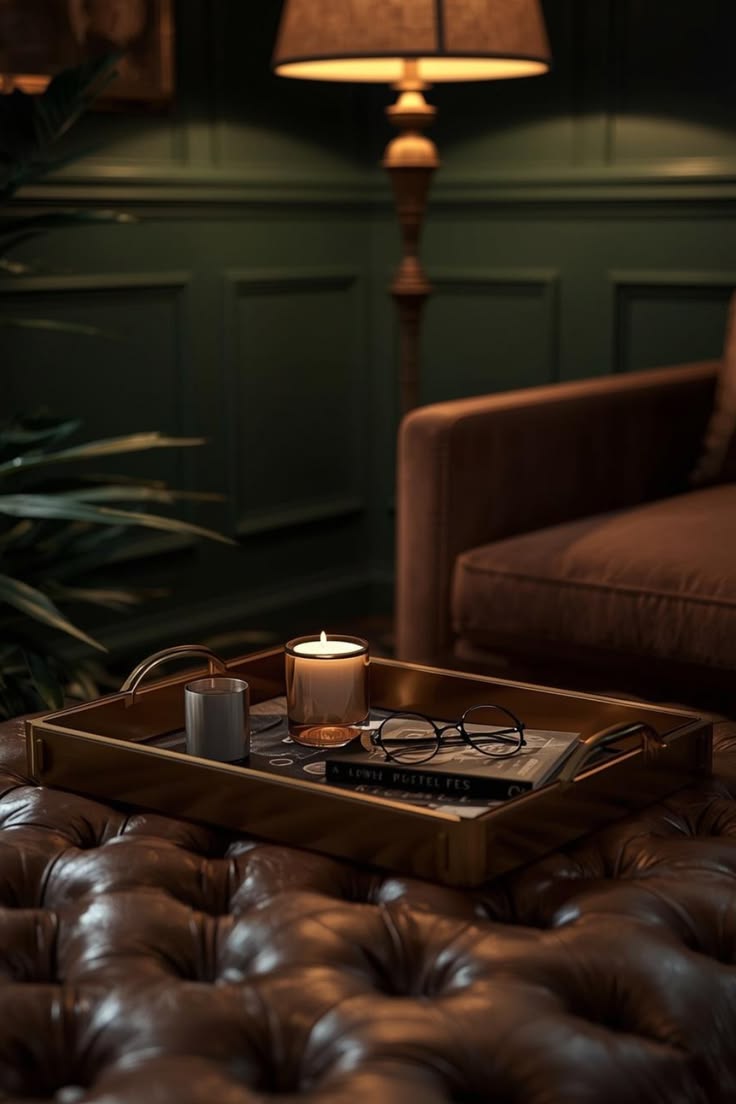
The environment around the question changes the cost too. If the room is bright, noisy, or full of shifting input, every choice becomes harder. A softer room lowers the background tax. Stable sound can help because it reduces sharp sensory contrast while the brain is still rebalancing.
That is where Moodbeez fits naturally. The point is not to force appetite or speed recovery up. It is to keep the room predictable enough that fewer decisions feel threatening while your system finishes landing.
Use Default Recovery Foods
Pick two or three familiar low-surprise options before you need them, so the menu is already smaller during recovery.
Prefer Closed Choices
Offer “soup or toast” instead of “what do you want,” and keep the question narrow enough that the answer does not require planning from scratch.
Lower the Room's Surprise Level
Dim light, less clutter, and one steady sound layer often make simple decisions feel more possible again.
Watch on YouTube: Why Choosing Dinner Feels Weirdly Hard After a Migraine
Make recovery ask less of you
Moodbeez gives migraine recovery a softer sensory floor, so small choices can stay small instead of turning into another overload point.
Explore Moodbeez