A Reading Mix for the First Page After a Noisy Commute

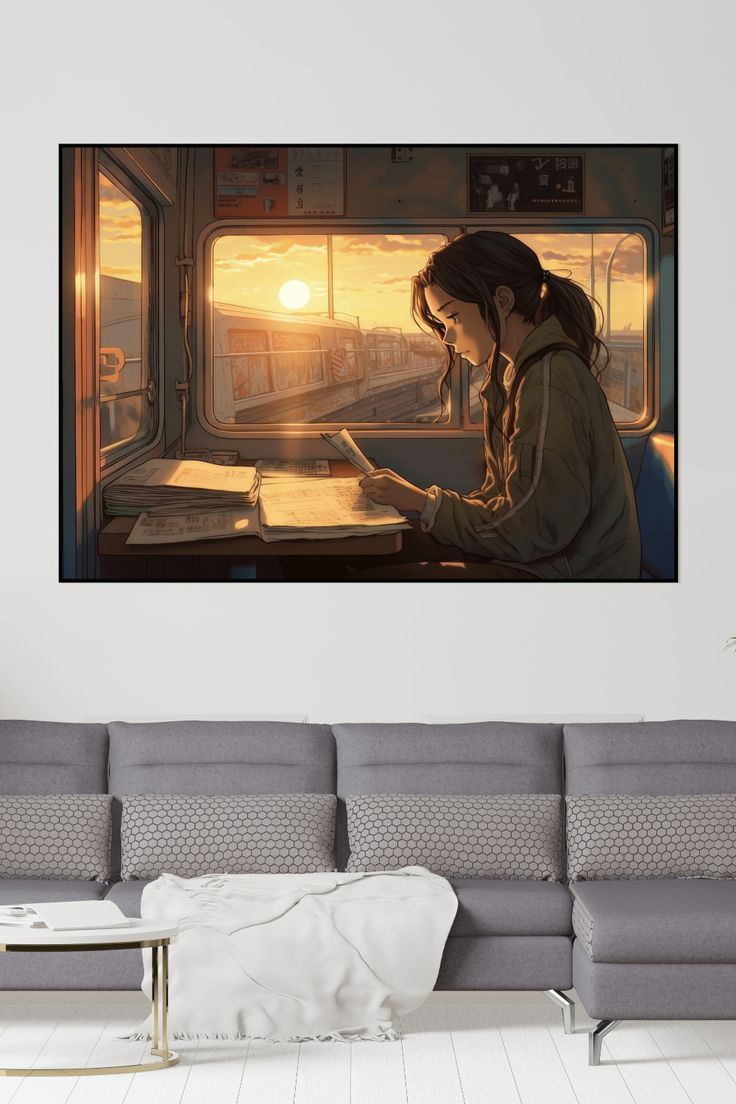
Some reading problems start before the book opens. A train ride, bus ride, or long walk through traffic can leave the nervous system slightly jagged even after you are home. The room is quieter, but your attention is still arriving in pieces.
This page documents one small reading cue made for that handoff. It does not claim that one sound recipe fixes concentration. It gives a concrete, first-hand sample with exact settings so readers can judge a real artifact instead of a vague promise.
Play the 30-second reading sample
Direct MP3 link if the embedded player does not start in your browser.
Method: one local instrumental file, Focus And Concentration - Part 04.mp3, was trimmed to 30 seconds and mixed with a synthetic brown-noise layer generated in ffmpeg with anoisesrc=color=brown. The music layer was set to −15 dB and the brown-noise layer to −31 dB, then the result was encoded as a 192 kbps MP3 and rechecked with ffmpeg for playback errors after export.
Created and export-tested by the Moodbeez Editorial Team on August 6, 2026. Start at a low device volume.
Why this sample exists
The first page after a commute often fails for a narrow reason: the body has arrived, but attention is still treating the room like a place where the next interruption matters. A very plain cue can sometimes lower that handoff cost better than either perfect silence or one more new playlist.
This sample is meant for that short bridge only. It is not a full reading soundtrack and not a claim that everyone should add noise to read.
Why the mix stays plain
The sample keeps one restrained instrumental bed and one very low synthetic layer. No speech. No dramatic hook. No tempo jump. After a noisy trip, adding another interesting sound can become one more thing to monitor.
If you already know that total silence works for you, keep silence. This page is testing a smaller question: whether one repeatable cue makes the first page easier to stay with when the day has been acoustically busy. For a related transition problem, see our earlier note on why scrolling can leave the paragraph blurry. For readers who find silence too sharp, our other note on why perfect silence can make reading harder covers that angle.
Who this may suit, and who it may not
This kind of sample may fit readers who need two or three minutes of steadier background before a novel, essay, or paper starts holding. It may not fit people who are already overstimulated by any added sound, people reading highly technical material that needs absolute quiet, or anyone with current ear discomfort.
The safest assumption is personal variability. A functional listening cue is useful only if it recedes from attention quickly.

Where MoodBeez fits
MoodBeez matters here because it is built around saved music-plus-ambience setups instead of one-off browsing. The broader product workflow lives on the matching product page: MoodBeez functional music app. This article stays narrower on purpose. It only shares one documented reading-transition example and the reasoning behind it.
Editorial notes and sources
Created by: Moodbeez Editorial Team.
How this page was produced: The first-hand artifact is the 30-second MP3 sample on this page. The team mixed one local instrumental file with one synthetic brown-noise layer, recorded the exact gain settings, exported the file, and rechecked export integrity and direct playback with ffmpeg on August 6, 2026.
What is first-hand here: the sample itself, the method, and the editorial explanation of why a short, low-detail cue may be more useful than another browsing decision after transit noise.
What is not claimed: This page does not prove a universal reading improvement, measure commute recovery, diagnose attention problems, or treat hearing, sleep, or stress conditions.
Watch the vertical video version on YouTube
Keep one first-page cue ready
If arriving home is not the same thing as settling into the page, keep one short reading cue ready instead of re-deciding the sound every night.
Watch the vertical video