Sensory Overload After a Loud Interruption: A Reset Plan for the Next Minute
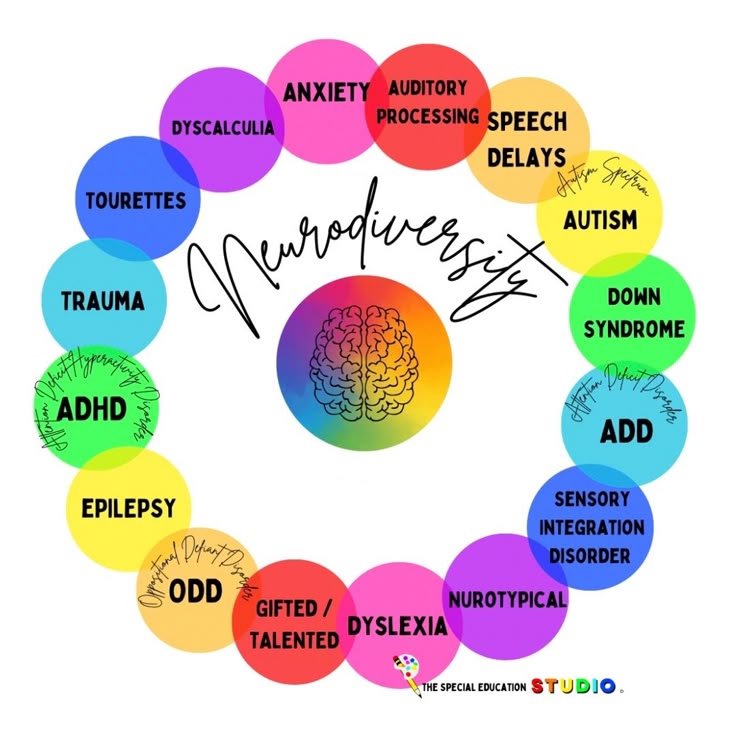
Sensory overload after a loud interruption can turn a single dropped object, alarm, sudden meeting-room laugh, or raised voice into a problem that lasts longer than the sound itself. This is not a test of resilience. For some neurodivergent people, the immediate job is simply to lower input and regain choice before attempting the next task.
This page answers a deliberately small reader question: what can you do in the next minute after a loud interruption, when you need a practical reset but do not want to pretend that a playlist is healthcare? The first half is evidence and limits. The second documents one MoodBeez transition-mix test. MoodBeez is our own product; it is not presented as a diagnosis, treatment, or cure.
Use the next minute to reduce demand, not to force productivity
A loud interruption can create two problems at once: the sound itself and the pressure to act as if nothing happened. A lower-demand sequence is often more realistic: move or pause if you can; reduce the most controllable input; take one slower breath without forcing a particular technique; then choose only the next small action. That action may be returning to a document, asking for a repeat, getting water, putting ear protection back on, or deciding that a brief break is needed.
Name the signal without making it a diagnosis
“I am overloaded by that noise” is a useful description of a moment, not a medical conclusion. NIMH notes that ADHD can include being easily distracted by unrelated stimuli. The World Health Organization describes autism as sometimes involving unusual reactions to sensations and difficulty with transitions. Neither source says that every sound reaction identifies ADHD or autism, and people with the same diagnosis can need very different support.
Lowering input is different from avoiding every sound
Stepping into a quieter spot, lowering a screen’s brightness, or asking to resume a conversation in a moment can be an accommodation or self-management choice. It does not require you to eradicate sound from daily life. The useful question is whether a short reduction in competing input helps you make a safe, voluntary next choice. If the interruption causes panic, persistent distress, hearing symptoms, or major difficulty functioning, a qualified clinician can help assess the wider picture.
What research says about sound and attention
There is no single evidence-backed “sound fix” for sensory overload. Sound can help one task or listener and interfere with another. A 2024 systematic review and meta-analysis indexed by PubMed found a small laboratory-attention benefit from white or pink noise in ADHD or high-symptom groups, while results did not generalize to people without ADHD. That is interesting but narrow: it does not establish a benefit from any noise color, in real workplaces, after alarms, or for sensory overload itself.
On the other side, a meta-analysis of auditory distraction during reading, also indexed at PubMed, found a small, reliable overall interference effect. Together, these findings support a more honest approach: test a modest, reversible setup for one task and one person, instead of treating background sound as universally helpful or harmful.
Play the documented loud-interruption transition mix
Direct MP3 link if your browser does not start the embedded player.
Method: the Moodbeez Editorial Team used one local MoodBeez source file, mp3/neurodivergent/s_1772418613551.mp3, trimmed to 30 seconds. A synthetic pink-noise layer generated with ffmpeg’s anoisesrc=color=pink was mixed quietly below the music (music −20 dB; pink noise −36 dB), then encoded as a 192 kbps MP3. We decoded the finished file in ffmpeg after export to check that it played without errors.
Observation: this build makes a continuous, low-detail sound bed with no sudden new accents in its 30 seconds. Limit: that is an engineering observation, not a listener-outcome result. It was not tested with participants, calibrated in a room, or compared against silence.
Created and export-tested by the Moodbeez Editorial Team on August 18, 2026 in a local Mac-based production workflow. Begin at a comfortable low volume; stop if it adds irritation or makes communication harder.
How to test a transition cue without turning it into a rule
Try the sample only in a low-stakes moment. Before you play it, decide what you will observe: perhaps whether you can read one paragraph, choose one next task, or feel ready to rejoin a conversation. Keep device volume low enough that you can still notice important signals and people around you. After 30 seconds, compare the cue with a quiet pause on another day. A useful result can be “not for me.”
Do not use a sound layer to push through a hazardous situation, to cover an alarm, or to delay help when you have new ringing, pain, dizziness, sudden hearing change, or severe distress. For personal listening, the WHO safe-listening guidance is a better safety reference than an app’s volume slider.
Where MoodBeez fits after a loud interruption
The matching MoodBeez functional music app fits a very practical problem: keeping one optional, prepared sound setup available instead of searching again while you are already overstimulated. We directly checked the current product documentation and app implementation on August 18: MoodBeez is available on iOS and Android; users can combine adjustable ambience layers with music, save a mix, and download prepared tracks for offline playback. When a download is present locally, documented playback routing uses the local file rather than waiting for streaming, which can be useful on a flight or in unstable-signal camping areas.
We also checked current Traditional Chinese strings and the dark-theme starting point. Those are convenience observations for low-light, low-friction use, not accessibility certification or a promise that every interface will be intuitive for every person. If your main question is about the return after removing headphones, see our earlier headphones-off re-entry cue. If the bigger issue is background sound during work, see our background-noise filtering guide.
Who made this, how, and why
Creator and reviewer: Moodbeez Editorial Team, the product and editorial team behind MoodBeez. Its applicable scope is source-led digital-health editing, product workflow review, and audio export; the team does not claim medical, audiology, or psychology credentials. No clinician medically reviewed this page.
How: On August 18, 2026, the same team researched the cited independent and official sources; created and decode-tested the 30-second MP3 above; checked current product, offline-routing, localization, and theme details; and completed an English draft plus Traditional Chinese editorial localization. AI assistance was used for drafting, metadata, layout, and localization support, then the team manually checked facts, limits, sources, and both language versions.
Why: This page exists to help someone plan a small, reversible response to a specific loud-interruption moment. It exists to be useful before it is commercial, not to claim a broad neurodivergent-health outcome or capture a generic keyword.
Make one next-minute option easy to reach
If sensory overload after a loud interruption is your recurring friction point, prepare one low-demand option in advance. A saved, offline-capable mix is only one possible tool; a quiet pause or accommodation may be the better one.
Watch the vertical videoFAQ
Does a loud interruption mean I have sensory processing disorder or ADHD?
No. A strong reaction can be real without identifying a diagnosis. Consider professional assessment when distress, hearing symptoms, or daily impairment persists.
Should I use white, pink, or brown noise after an interruption?
There is no universal choice. Limited research concerns white or pink noise in specific ADHD attention experiments; this page’s pink layer is a documented mix choice, not a clinical recommendation.
Can MoodBeez play this reset mix without data or Wi-Fi?
Prepared downloaded tracks can play through the documented local-file route, but verify that your chosen track is downloaded before relying on it. The app is not a hearing-safety meter.