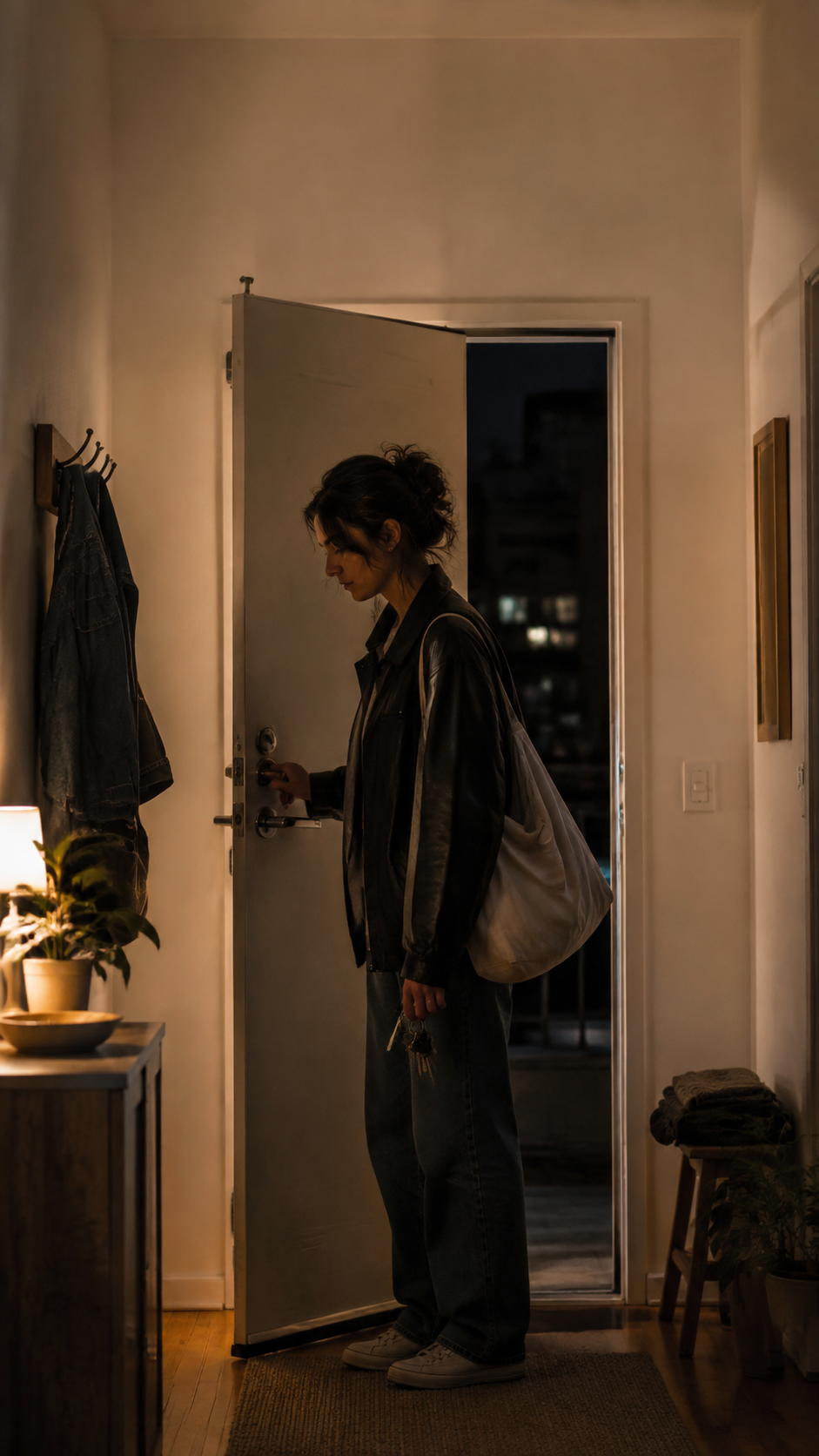
You get home, see the dishes and laundry, and feel finished before starting. On a low-energy evening, the useful question is not how to force a full reset of the house. It is which task truly needs attention tonight, what a small enough version looks like, and what can wait without creating a safety or care problem.
Why an ordinary evening can feel like too much
Paid work, travel, household work, and caring for someone all compete for time and effort. A list that looked reasonable in the morning may no longer fit the evening. That mismatch is a reason to adjust the plan, not a reliable measure of your character. This guide offers a household planning approach; it does not explain the medical cause of your tiredness.
The NHS overview of tiredness and fatigue describes multiple possible contributors, including insufficient sleep, stress, illness, and medicines. It advises against diagnosing yourself from a symptom list. A smaller chore plan can make tonight more manageable, but cannot establish whether tiredness is harmless or replace appropriate care.
Separate essentials from the wish list
Ask what happens if it waits
Look at each task and ask what would actually happen if it waited until tomorrow. Immediate care needs and a clear route through the home may matter more than folding clean laundry or making a shelf look tidy. Respect food-safety instructions and any existing care plan; a small-task rule is never permission to ignore those responsibilities.
Define a visible stopping point
Replace “clean the kitchen” with a limited action such as washing the one cup you need or putting clean clothes in one basket. Choose something appropriate to your household that has a clear finish. These are examples, not a required sequence. If even the small version feels beyond what you can safely do, choose rest or ask for help.
Try one essential task, then reassess
- Choose one task that matters tonight, after urgent care and safety needs are addressed.
- Name its smallest useful version and its stopping point before beginning.
- Do that limited action at a comfortable pace, without turning it into a race.
- Stop at the boundary and decide whether to rest, request help, or do something else.
For example, a pile of clean laundry may only need to move off the bed. Folding every item is a separate job. Putting tomorrow’s necessary clothing in reach might be enough. Finishing the small version does not create an obligation to keep going; the purpose is a workable evening, not a chain of tasks that consumes the time you need for sleep.
This sequence is an editorial planning suggestion, not a tested fatigue treatment or a promise of increased motivation. It is intended for ordinary, low-risk household choices. Follow your clinician’s advice if you have an illness that affects activity tolerance, and do not push through worsening symptoms to complete the plan.
Make shared work specific
When someone else shares the home, name the task and the limit: “I can move the clean clothes tonight; can you handle the dishes?” A clear request gives the other person something concrete to answer. It does not guarantee help, and not every household has an available partner. If support is unavailable, reduce nonessential work rather than treating a longer personal checklist as the solution.
When the same evening overload repeats, discuss the total workload at a calmer time. Look for a task that can be shared, done less often, or dropped. The distribution of care and chores matters; an individual routine cannot solve an unfair or unsafe arrangement.
Choose sound only if it makes the setup simpler
Quiet is a complete option. If you prefer familiar music for a small household task, choose one selection before starting and keep its volume low enough to hear people, timers, alarms, and anything else you need to notice. Stop the sound if it adds irritation or another decision. A song ending can be a reminder to reconsider the plan, but it is not a requirement to finish before the music stops.
MoodBeez is our own listening app. Its goal-based music selections and independently adjustable ambient layers provide an optional background setup. Choosing a familiar mix is a listening convenience, not a treatment for fatigue or evidence that you can safely do more. For a pause during work rather than a household task, see the work-break guide. If unfinished work follows you home, the workday shutdown guide addresses leaving a clear return point.
When the right next step is rest or support
Do not use loud music or momentum to decide whether you are safe to drive. CDC/NIOSH guidance on driver fatigue explains that fatigue can impair safe driving and recommends adequate sleep and reporting fatigue at work. If you feel sleepy, arrange a safer alternative to an errand that involves driving; a completed chore or a more energetic feeling is not a fitness-to-drive test.
The NHS advises seeking medical advice when unexplained tiredness lasts for weeks, affects daily life, or comes with other symptoms. Do not wait for a household routine to solve a persistent health problem. A short note about when tiredness occurs and what it prevents you from doing may help you describe the problem to a qualified professional.
Frequently asked questions
What if I am too tired to do any chores?
Address urgent safety or care needs with help where possible, let nonessential work wait, and rest. Persistent or unexplained tiredness deserves medical advice.
Should I use a timer to force myself to finish?
No. A visible stopping point can be enough. A timer is optional and should not turn an ordinary task into pressure to ignore tiredness or symptoms.
Can energizing music replace rest?
No. Music is an optional preference, not a substitute for sleep, clinical care, or a safe workload. MoodBeez does not treat fatigue.