How to Relax After Work When Your Body Still Feels Alert
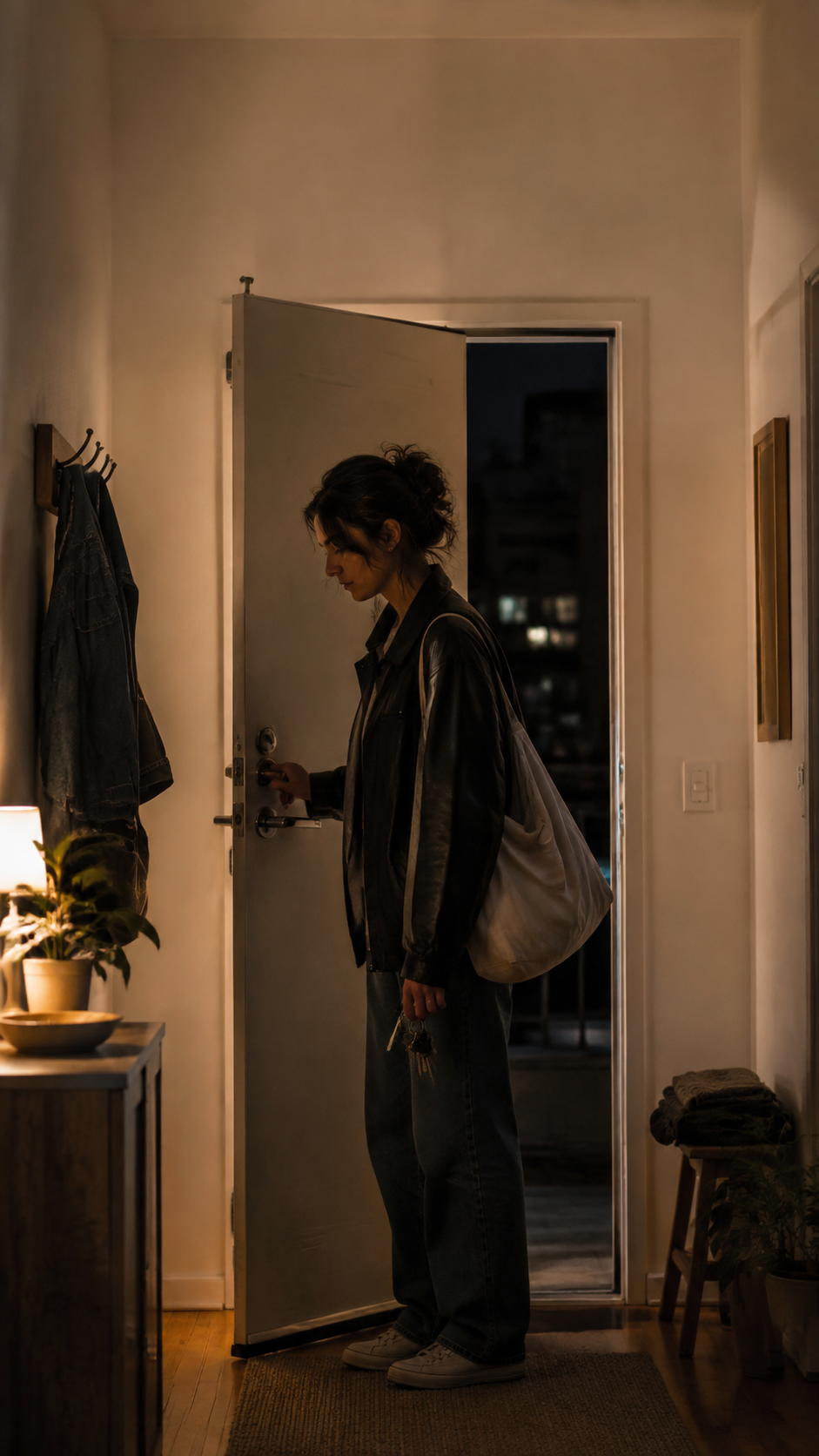
Why can you be home from work and still feel as if you are waiting for the next demand? A full inbox, a tense meeting, a crowded commute, or a day of rapid decisions can leave attention pointed outward after the work itself has stopped. The first useful step is not to force a calm feeling. It is to lower one demand, mark the change of setting, and choose a small activity you can stop without failing.
This is an educational, non-diagnostic guide for adults who want a gentler after-work transition. It does not diagnose stress, anxiety, burnout, trauma, sleep problems, or any other condition. Moodbeez publishes this page and develops MoodBeez; neither the app nor a sound mix is a treatment or a guarantee of recovery.
Why the first minutes at home can still feel like work
Stress is a normal response to pressure, but it can affect both body and attention. The World Health Organization explains that stress can make relaxation and concentration harder and encourages practical coping, routine, and support when difficulties persist. That description does not tell us the cause of one person’s evening alertness. It does explain why “just relax” is often too vague to be a useful instruction.
The NHS stress guidance suggests breaking large tasks into manageable parts, planning ahead, staying connected, and trying brief breathing or self-help techniques. These are options, not a required checklist. After a demanding day, adding a long routine can become another performance test. A transition works better when its endpoint is clear and it leaves room for an ordinary evening.
Alertness is information, not a verdict
A racing thought, tight shoulder, urge to check messages, or difficulty choosing what to do next can tell you that the transition is unfinished. It does not prove that you are failing to rest or that your nervous system needs a particular product. Notice one concrete cue, then make one modest change. The aim is a more workable next moment, not a perfect internal state.
Try a three-part transition you can exit
Choose a point when you are not driving, supervising an urgent task, or responsible for an immediate safety decision. Then try three small moves: close the work loop, change one environmental cue, and select one neutral activity. The order can vary. If a move increases distress or is impractical, skip it.
1. Close the work loop
Write one sentence about where you stopped and one next action for your next work period. If somebody needs a handoff, use the normal work channel and follow the relevant procedure. Do not reopen every message to look for a new task. The goal is to make one return point findable, not to finish the entire queue. Our unfinished-work shutdown guide covers a fuller version of this boundary.
2. Change one cue
Put the work device in its normal place, change clothes, wash a cup, lower a bright light, or move to another room. Choose one change that is safe and available. A visible change of context can be easier to follow than an instruction to feel different. You do not need to create a special wellness corner, buy equipment, or make the home silent.
3. Choose one neutral activity
Pick something with a natural stopping point: drink water, prepare simple food, take a short walk when safe, sit by a window, stretch gently, or read a few pages. If you would rather do nothing for a moment, that is also a choice. Avoid turning the activity into a test of whether you have relaxed. “Still alert” is an observation; it is not a reason to add five more techniques.
What to do when scrolling feels like rest but leaves you busier
A phone can be useful for contact, music, navigation, or a planned task. It can also keep work cues and new decisions arriving. Instead of declaring all screen use bad, ask whether the next ten minutes need input or fewer choices. Put nonessential alerts aside, place the phone face down, or select one familiar activity before opening an app. Keep the change reversible; you can check a necessary message later.
If silence feels uncomfortable, a low, steady, nonverbal background is an optional experiment. Keep it quiet enough to hear people, alarms, and other important cues. The WHO safe-listening guidance emphasizes that louder and longer exposure increases risk. Stop if audio feels sharp, distracting, pressuring, or uncomfortable. Quiet is a complete option.
Optional listening sample:
This dated sample is a production and listening record, not a clinical trial, safe-volume prescription, or evidence that sound reduces stress. Start low and stop if it adds work.
When a small reset is not enough
A brief transition cannot solve an unsafe workload, an abusive environment, a lack of sleep, a medical problem, or persistent anxiety. If stress is lasting, worsening, disrupting daily life, or accompanied by concerning physical or mental symptoms, speak with a qualified health professional. Seek urgent local help if you may harm yourself or someone else. Do not use an app, music, alcohol, or a relaxation exercise to decide whether you are safe to drive or to postpone needed care.
Where MoodBeez fits—and where it does not
MoodBeez can be used as an optional listening step after you have decided that sound is comfortable. Its product page describes saved mixes, adjustable ambience layers, and offline playback on iOS and Android. Preparing one familiar mix while calm may reduce decisions during a transition. These are workflow features, not evidence that the app treats stress, anxiety, burnout, insomnia, or any other condition.
Make the next ten minutes smaller
Close one work loop, change one cue, and choose one neutral activity. Let sound be optional, and stop when the experiment adds pressure.
Frequently asked questions
Why can’t I relax after work?
Pressure can leave attention pointed at the next demand. That does not identify a diagnosis. Try one small transition and seek professional support if stress persists or disrupts life.
Is scrolling a good way to unwind?
It depends on what you need and how it affects you. If scrolling adds alerts or decisions, put nonessential notifications aside and choose one familiar, bounded activity instead.
Can relaxing music reduce work stress?
Music may be a personal preference, but it is not a guaranteed stress treatment. Keep sound low, preserve important cues, and stop if it becomes another task.