How to Refocus After a Meeting Runs Over: A Five-Minute Reset
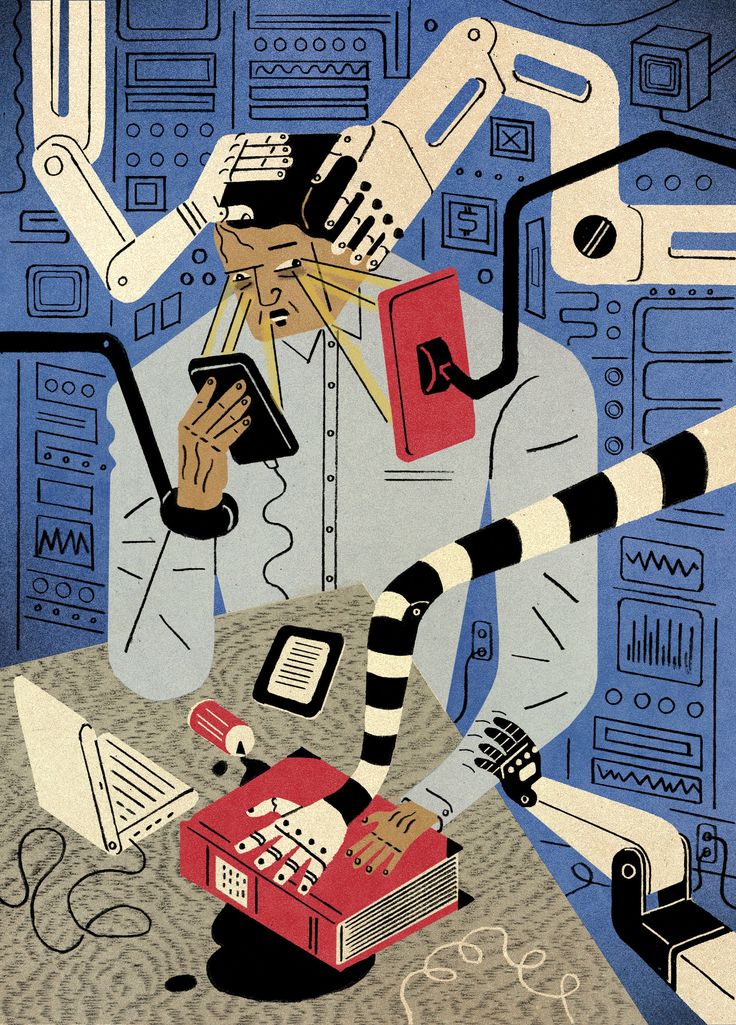
How do you focus again when a meeting runs over and your next task is already late? Do not ask yourself to jump straight from conversation into deep work. First close the meeting loop, then make the restart small enough to believe. A five-minute transition can include one written capture, a brief physical reset, and one visible next action.
This is an educational, non-diagnostic guide for adults moving between ordinary work tasks. It does not diagnose burnout, anxiety, attention disorders, depression, or any other condition. A MoodBeez sound mix is optional background support, not therapy, a stimulant, or a promise of better performance.
Why an overlong meeting can make the next task feel harder
A meeting asks you to listen, interpret, remember, respond, and sometimes change priorities in real time. When it ends late, your attention may still be holding unfinished questions while the calendar is demanding a new output. That does not prove that you are lazy or incapable of focus.
The World Health Organization notes that stress can make relaxation and concentration harder. A rushed transition can feel like a small stressor even when the meeting itself was ordinary. The practical question is not “How do I force my brain to be sharp?” but “What information needs a safe place so I can start one thing?”
Separate the meeting residue from the next task
Meeting residue can include a decision you need to record, a question you still have, a promise you made, or a feeling that the discussion was unresolved. You do not need to solve all of it before working. You do need to stop asking working memory to hold every item at once.
Close the loop before you open the next file
Use the first two minutes to make a tiny handoff note. Write three lines: “Decided,” “Still open,” and “Next check.” Put each item in the right line without polishing it. If someone else owns the next check, write their name or the time you will follow up. If the item is not urgent, give it a later place rather than carrying it into the next block.
Choose a restart target, not a whole project
Pick the smallest action that changes the state of the work: open the document, label the section, draft three rough bullets, or read the next paragraph. “Finish the report” is a project. “Write the comparison heading” is a restart target. A small target does not guarantee a productive session; it simply lowers the cost of beginning.
Then make the transition visible. Close the meeting notes, put the handoff beside the keyboard, and open only the surface needed for the restart. This is not a claim that fewer windows cure distraction. It is a simple way to reduce fresh choices while your attention is still changing modes.
Try a five-minute reset
After the handoff note, take a short reset that does not become another performance test.
Minute 1: Orient to the room
Look away from the meeting window. Notice one colour, one sound, and the support under your feet or chair. The NHS describes mindfulness as paying attention to the present moment, including the world around you. You can borrow that orientation without trying to empty your mind or feel calm on command.
Minutes 2–3: Change one physical cue
Stand, stretch your shoulders, refill water, or walk to the edge of the room and back. Pick one ordinary movement that is safe for you. Do not turn it into an intense workout or a test of discipline. The aim is to mark that the meeting is over and the next block has begun.
Minutes 4–5: Start below the bar
Set a short timer and do only the restart target. If you are writing, make rough bullets. If you are reading, stay with one paragraph. If you are analysing, name the question and list the first two facts you need. At the end of five minutes, decide whether to continue for a realistic block or stop and renegotiate the calendar.
Protect the first focus block
Once you have begun, protect a modest block rather than promising an ideal afternoon. Silence may work. A low, steady, nonverbal sound may also be acceptable if it leaves speech, alarms, and other important cues audible. Keep the volume comfortable and stop if the sound creates irritation, ear discomfort, or another thing to monitor.
Use one check-in point instead of repeated self-testing. For example, after 15 or 25 minutes ask: “Am I still doing the chosen action, or do I need to change the plan?” Avoid converting every glance at the clock into a verdict about your attention. The NCCIH notes that mindfulness practices vary and that some people can have negative experiences; stopping or switching to an outward activity is a valid option.
When a focus problem needs more than a reset
If trouble concentrating keeps happening across settings, lasts for weeks, disrupts sleep or daily functioning, or arrives with persistent low mood, panic, severe fatigue, or thoughts of self-harm, seek support from a qualified health professional or urgent local service. A five-minute routine cannot assess the cause. If a meeting involves harassment, threats, discrimination, or an unsafe workload, document what happened and use the appropriate workplace or community support rather than treating it as a personal focus failure.
Where MoodBeez fits
MoodBeez can be an optional sound step after you have chosen the task and checked that listening feels comfortable. A saved low-detail mix can reduce setup decisions at the start of a focus block; quiet is equally valid. MoodBeez does not fix meeting design, recover lost time, diagnose attention problems, or guarantee concentration. For another sound decision, see our guide to testing background sound for writing.
Make the restart smaller
Capture the meeting residue, orient to the room, choose one visible action, and let the first five minutes be enough to begin.
Frequently Asked Questions
What if the meeting leaves no break at all?
Write a one-line handoff while the meeting is still fresh, then choose the smallest safe next action. If the schedule truly has no room, flag the conflict instead of pretending that a reset can create missing time.
Should I use music to focus after a meeting?
Only if it feels comfortable and does not compete with the work or important environmental cues. Try quiet first or compare one familiar low-detail sound with silence; this is a preference check, not a treatment test.
Why can I focus in the meeting but not afterward?
A meeting provides an external structure, social cues, and an immediate topic. The next task may require you to choose the target and sequence from scratch. A short handoff note makes that hidden setup work more visible and smaller.