The 30-Minute Trap
After a Migraine

Watch on YouTube: The 30-Minute Trap After a Migraine
When the pain drops after a migraine, relief can feel urgent. You want to answer messages, open the blinds, make food, catch up on the things the attack interrupted, and prove to yourself that the day is still recoverable. That impulse is understandable. It is also where many people accidentally make the next hour worse.
The reason is simple: the pain may be lower, but the nervous system is often still exposed. Migraine recovery does not always end at the same moment the headache eases. The postdrome phase can leave the brain more fragile than it looks from the outside, and acting normal too quickly can overload it again.
Why “Feeling Better” Can Still Be a Risky Moment
Many migraine sufferers know the strange in-between state after the worst pain fades. You are clearly better than you were at the peak, but still not normal. Light feels a little too sharp. Sound feels more personal than it should. Reading the same sentence takes too long. Small decisions somehow cost real energy.
That is not weakness. It is postdrome, the recovery phase after an active migraine. The brain has just spent hours dealing with pain, sensory filtering, stress chemistry, disrupted routine, and often poor sleep or dehydration. Even when the pain signal gets quieter, the rest of the system may still be stabilizing.
The Common Mistake: Full-Speed Re-entry
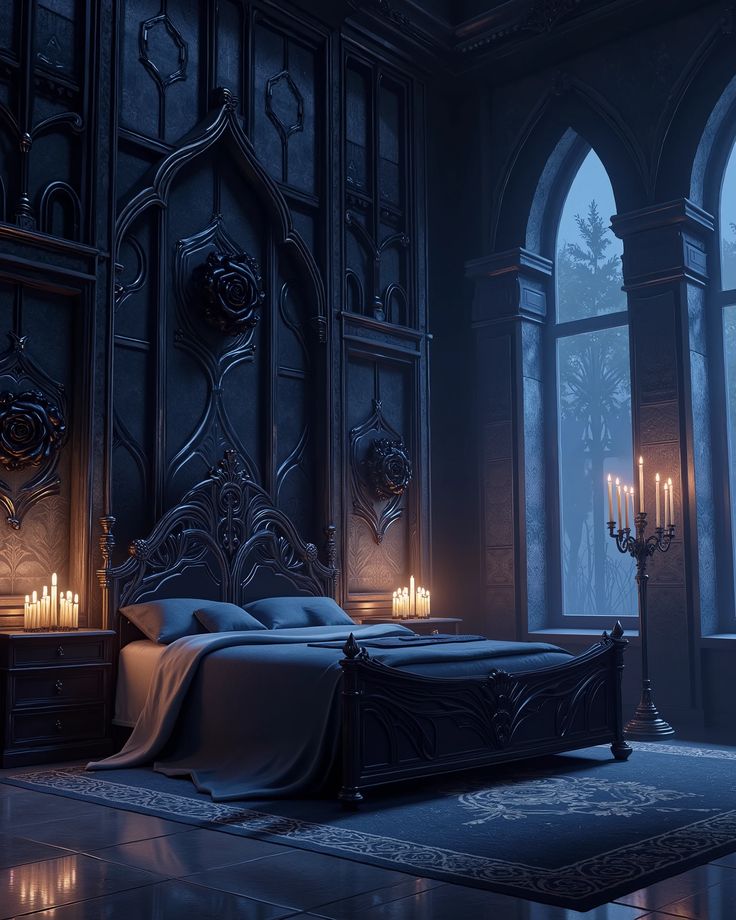
The most common mistake is treating the first drop in pain like permission to return to normal input. People reach for phone brightness, notifications, rapid conversation, errands, task lists, and all the little decisions that piled up during the attack. From the outside, this looks sensible. From the inside, it often feels like the migraine never quite lets go.
Postdrome brains still dislike contrast. Dark to bright. Quiet to clatter. One task to ten open loops. When the room keeps changing, the nervous system keeps having to re-orient, and that orienting work is exactly what a recovering migraine brain is still bad at doing cheaply.
Why Surprise Costs So Much After a Migraine
Recovery is not just about pain reduction. It is also about lowering the number of fresh sensory and cognitive demands landing on the system per minute. A sudden alert in a quiet room can feel harsher than a gentle steady sound. Three small decisions can feel worse than one larger but predictable task. The brain is not lazy. It is still paying a high price for surprise.
That is why many people feel confused during recovery. They assume they should be able to do more because the pain is lower, but the true bottleneck is often not effort. It is variability.
What Helps the Recovery Window Stay Gentle
Bring Input Back in Layers
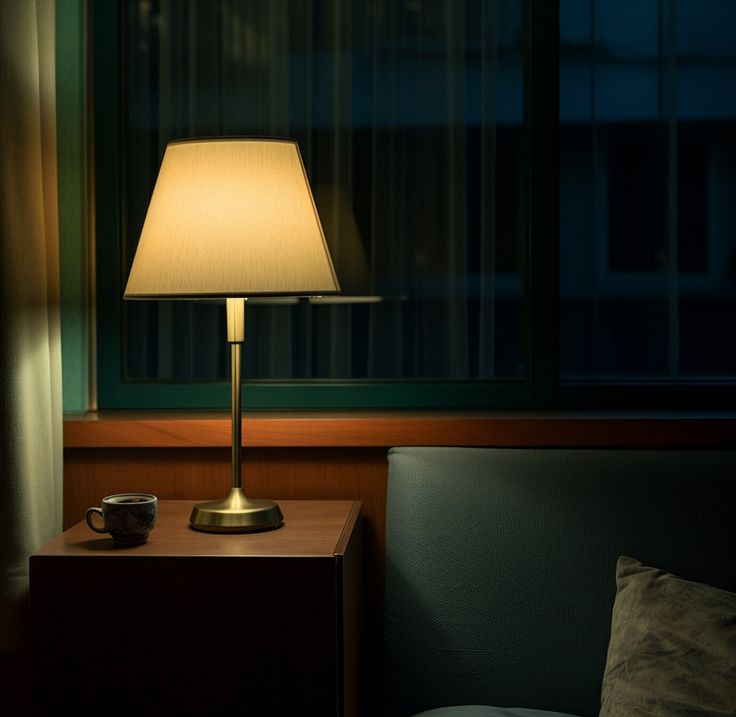
Add a little more light, a little more noise, and a little more demand instead of turning everything back on at once. Postdrome improves faster when it gets a runway rather than a restart.
Keep the Sound Predictable
Steady rain, brown noise, or low-demand ambience can be easier than silence broken by sharp interruptions. The point is not stimulation. It is reducing surprise.
Reduce Decisions Aggressively
Simple food, water nearby, one place to sit, one low-demand next step. Fewer choices protect the little cognitive energy that is coming back online.
Why Sound Still Matters After the Pain Peak
People often think sound support is only for the worst part of a migraine. But the recovery phase may be where predictable sound helps most practically. It gives the room a sensory floor, so every tiny interruption does not arrive against total silence. That can make the difference between a brain that keeps bracing and a brain that finally lands.
Moodbeez is useful in exactly that kind of moment: not as entertainment, but as a steadier sound environment when your system is functional again and still too sensitive for randomness.
Watch on YouTube: The 30-Minute Trap After a Migraine
Postdrome is the recovery phase after a migraine. The pain may be lower, but the brain can still feel foggy, sensitive, slow, and easily overloaded for hours afterward.
Because returning to bright screens, noise, errands, and many decisions too quickly can overload a still-sensitive nervous system. The headache may be down, but recovery may still be underway.
Gradual light, predictable sound, hydration, simple food, and fewer decisions usually help more than trying to rush back into normal productivity immediately.
Protect the part after the pain
Moodbeez creates a steady low-demand sound field for the recovery window when your brain is better, but not ready for a room full of fresh surprises.
Explore Moodbeez