The Missed Sleep Window:
Why One More Scroll
Wakes You Back Up
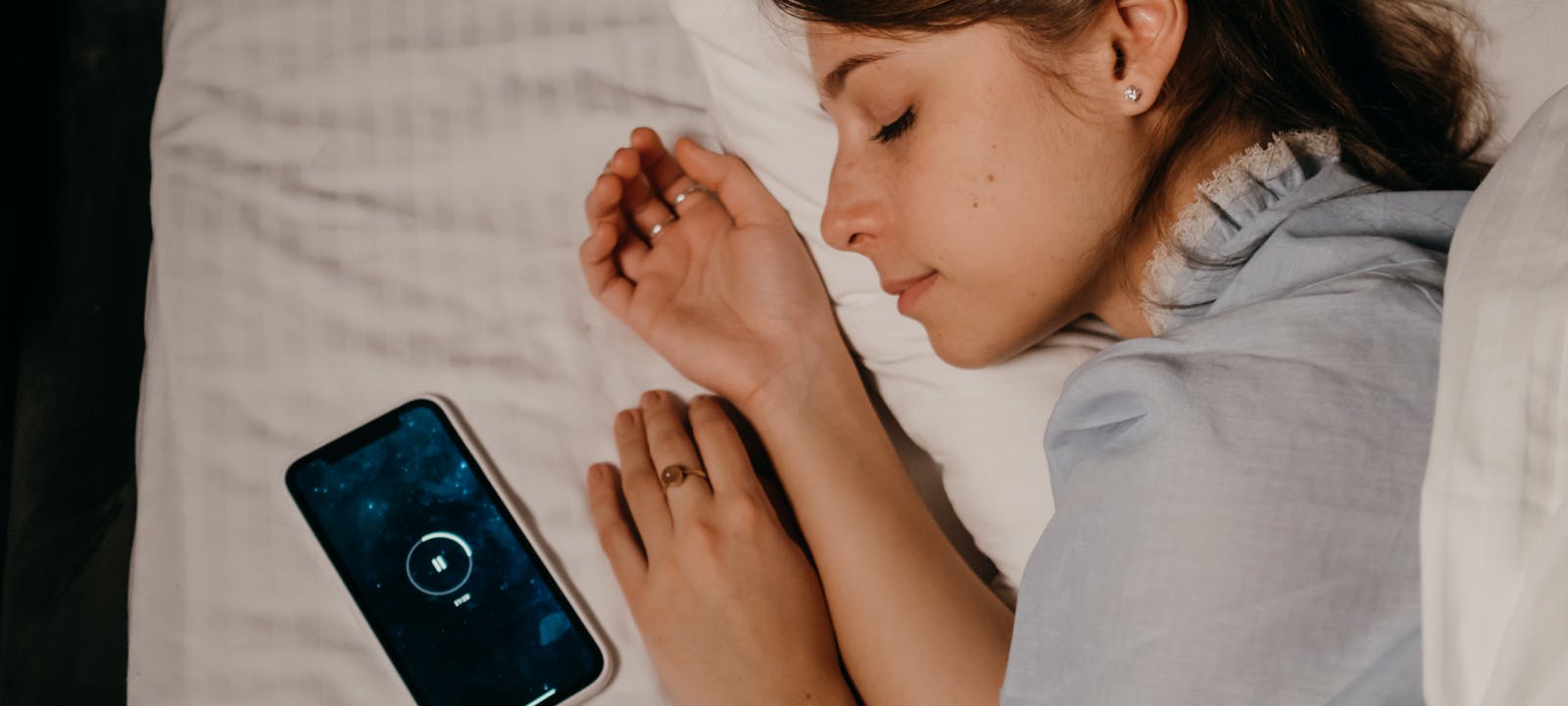
Watch on YouTube: The Missed Sleep Window
You were finally getting sleepy. Your eyes were heavier, your body was softer, and the bed actually sounded good. Then you made the tiny choice that feels harmless: one more scroll, one more video, one more quick check. Twenty minutes later you were not drifting anymore. You were awake again.
People often interpret that moment as proof they were never truly tired. In many cases, the opposite is true. They were tired enough to enter sleep, but they missed the easiest entry point and pushed the brain back into evaluation mode.
The First Wave of Sleepiness Is the Cheapest Moment to Fall Asleep
There is usually a period at night when sleep pressure is high and vigilance is low enough for the brain to let go without much resistance. That is the moment many people accidentally negotiate with. They assume the sleepy feeling will wait while they finish a few more inputs, but sleepy states are fragile. They can be interrupted before they become sleep.
What matters is not just how exhausted you feel overall. It is what your brain is being asked to do in the ten minutes right before sleep onset. If that period stays low-demand, sleep often arrives naturally. If it becomes bright, social, surprising, or decision-heavy, the system can turn back toward alertness.
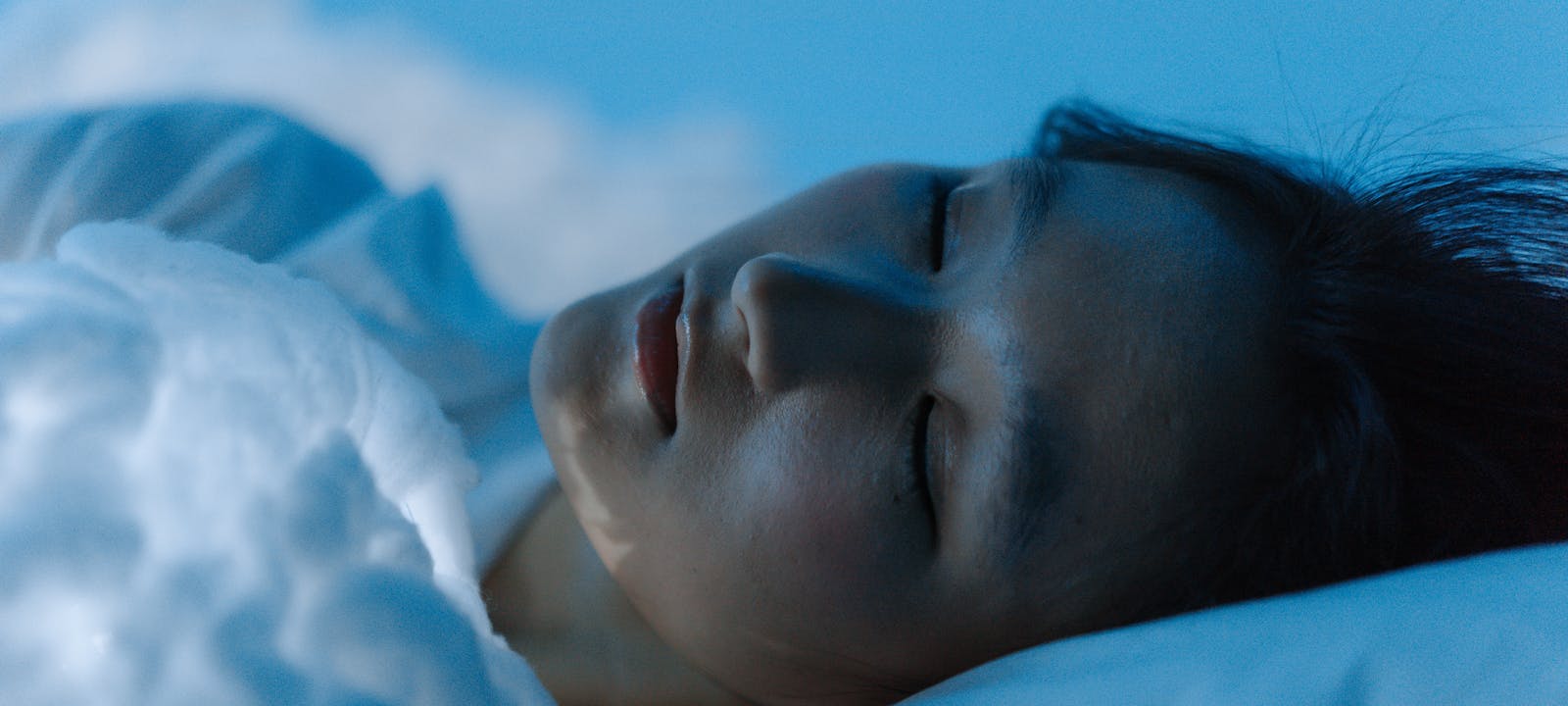
Why Scrolling Is So Good at Reversing Sleepiness
Late-night scrolling looks passive, but neurologically it is not passive at all. Every swipe brings novelty. Every post asks whether something matters. Every bright screen gives the visual system more information to process. Even when the content seems light, the brain is still orienting, sorting, comparing, and anticipating what comes next.
That is the opposite of what sleep onset needs. Falling asleep depends on declining engagement, fewer micro-decisions, and less need to monitor the environment. Scrolling keeps refreshing all three.
The “Second Wind” Problem Is Often a Missed Timing Problem
This is why people can feel deeply sleepy at 10:40 and strangely alert at 11:15. They did not suddenly recover energy. They simply missed the easiest descent and hit a more alert state instead. Many people call that random insomnia, but the mechanism is often timing plus stimulation, not mystery.
Once the first sleep window closes, it can take another stretch of time for the brain to become genuinely low-vigilance again. That is why one small bedtime detour can end up costing an hour or more.

How to Stop Missing the Easy Entry
Treat the First Real Yawn Like a Cue
When the first clear sleepy wave arrives, stop negotiating with it. Start the final transition immediately instead of trying to squeeze more content into the same window.
Make the Last Ten Minutes Boring
Dim lights, no phone, no inbox, no bedtime math. The goal is not entertainment. The goal is to keep vigilance dropping.
Use One Stable Cue Night After Night
A repeatable sound environment helps the brain recognize that the monitoring phase is ending. Consistency reduces the urge to keep checking for what is next.
Why Sound Helps More Than More Discipline
Most bedtime advice sounds like a willpower problem: put the phone down, be more disciplined, stop sabotaging yourself. But the useful intervention is often environmental, not moral. If the room feels steady and familiar, the brain does less orienting work. If the room keeps delivering fresh stimulation, sleep stays expensive.
Moodbeez fits into that final handoff well. It gives the brain a predictable low-demand sound cue that can replace novelty with continuity, making it easier to protect the first wave of sleepiness instead of wasting it.
Watch on YouTube: The Missed Sleep Window
Often because you pushed past the first sleepy window and added more stimulation. Bright screens, novelty, and small decisions can move the brain from drowsy back to alert.
Yes. The issue is not only blue light. It is also the constant orienting and evaluation that scrolling creates when the brain needs less input, not more.
Begin your final bedtime sequence immediately: dim the room, stop checking the phone, keep the environment predictable, and make the last minutes before bed as low-demand as possible.
Protect the easiest part of sleep
Moodbeez creates a steady low-demand sound cue, so the first real wave of sleepiness can turn into sleep instead of another hour of being awake.
Explore Moodbeez